End of tenancy rubbish clearance Harringay Ladder N4
Posted on 26/05/2026
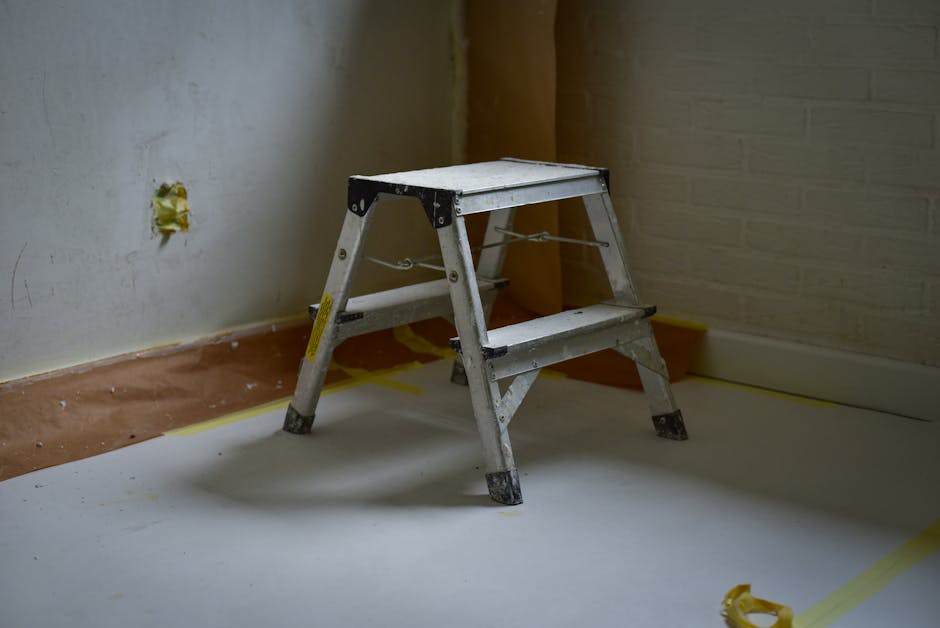
End of tenancy rubbish clearance Harringay Ladder N4: a practical guide for a smoother move-out
Moving out is busy enough without staring at a flat full of leftover furniture, broken bits, old bags, and the sort of random items that somehow multiply under a bed. If you are dealing with End of tenancy rubbish clearance Harringay Ladder N4, the goal is simple: leave the property clean, clear, and ready for inspection without last-minute panic. That sounds straightforward. In real life, it often turns into a rush, especially if the tenancy ends on a Friday afternoon and the van, keys, and landlord are all waiting on the same day.
This guide walks through what end of tenancy rubbish clearance involves, why it matters in Harringay Ladder, how the process usually works, and what to watch out for. You will also find a checklist, a comparison table, and practical tips for avoiding the kind of small mistakes that can cost you time, money, or part of your deposit. If you are comparing options, you may also find the broader services overview useful alongside this guide.
Truth be told, the best clearance jobs are the ones you barely think about afterwards. Everything just leaves, the place looks tidy, and you can move on. Nice and simple. That is the standard to aim for here.
Why End of tenancy rubbish clearance Harringay Ladder N4 Matters
End of tenancy rubbish clearance matters because the final condition of a property shapes how quickly the handover goes and how confidently you can walk away from it. In a busy rental area like Harringay Ladder, flats and terraced homes often have tight access, stairwells, shared hallways, and limited time slots for moving out. That makes leftover rubbish more than an inconvenience; it can become the thing that slows everything down.
Most tenancy agreements expect the property to be returned in a reasonably clean and clear state, allowing for fair wear and tear only. In plain English, that means you should not leave behind unwanted furniture, black bags, broken appliances, scattered cardboard, or the contents of that one cupboard everyone forgets until moving day. A proper clearance helps you meet that expectation without relying on a hurried last sweep.
There is also the practical reality of local living. Harringay Ladder can be compact, and parking or loading can take planning. If you have ever tried to drag a wardrobe down a narrow stairwell at 7:30 a.m. while someone else is trying to leave for work, you will know the feeling. Not ideal.
Good clearance also reduces friction with landlords, letting agents, and incoming tenants. Nobody wants a move-out dispute over abandoned items or rubbish in the garden, hallway, or loft. That includes the small stuff too: clothes hangers, old rugs, damaged shelving, paint tins, and miscellaneous junk that fills up a room faster than you remember putting it there.
For property owners, there is a second angle. A fast, tidy clearance helps prepare a flat for cleaning, maintenance, re-letting, or photos. If you are a tenant, it helps you present the home well and keep the handover calm. It is one of those jobs that pays off mainly by preventing headaches. Quietly valuable, that is the best way to put it.
Expert summary: In end of tenancy situations, rubbish clearance is not just about "getting rid of stuff". It is about timing, access, condition, and making sure the property can be handed back without avoidable delays or disputes.
How End of tenancy rubbish clearance Harringay Ladder N4 Works
Most end of tenancy rubbish clearance jobs follow a fairly simple sequence, although the details vary depending on how much needs removing and how easy the access is. The process normally starts with identifying what should stay and what should go. That sounds obvious, but it is the part people rush. A quick room-by-room sort is usually the safest first step.
Once the waste is separated, the next stage is planning the removal. This includes checking whether there are items that need special handling, such as fridges, mattresses, sofas, or damaged electricals. If the job is larger, it may be worth combining clearance with related services such as house clearance in Haringay or furniture removal in Haringay when the property has bulky items that will not fit into ordinary bin collections.
On the day, the team typically arrives, assesses access, loads items, and clears the waste from the property. A good service should work carefully around walls, floors, communal areas, and shared entrances. In a ladder of period homes, that matters more than people think. A single scuffed banister can turn an easy move into a complaint nobody needed.
After loading, the waste should be transported to a licensed facility or transferred into the correct recycling stream where suitable. If you are comparing providers, it is sensible to check the site's waste carrier licence and compliance information so you understand how responsible disposal is handled.
In practical terms, the process usually looks like this:
- Walk through the property and identify all unwanted items.
- Separate rubbish, reuseable items, and anything the landlord has asked to keep.
- Book a clearance slot that fits the move-out timeline.
- Prepare access, parking, and any entry instructions.
- Remove the waste carefully and load it safely.
- Check the property for missed items before final handover.
That final walk-through is worth doing. Always. It catches the forgotten lampshade, the half-empty cleaning box, the broken chair nobody claimed, and all the other "we thought someone else would take it" items that love to linger.
Key Benefits and Practical Advantages
The biggest benefit is obvious: a clear property is easier to hand back. But there are a few more practical advantages that matter just as much, especially if your move-out is already packed with cleaning, check-out appointments, and key returns.
1. Less risk of deposit deductions. Leaving rubbish behind is one of the easiest ways to create an avoidable issue. Even if the rest of the property is tidy, leftover waste can make the handover look incomplete.
2. Faster final cleaning. A cleaner empty space is easier to deep clean. No bags in the way, no old furniture blocking the skirting boards, no need to clean around abandoned items.
3. Better access for inspections. Agents and landlords can inspect the property properly when rooms are empty and clear. That makes the process more professional and less awkward for everyone involved.
4. Less physical strain. Moving heavy or awkward items yourself is tiring, and in a small London property it can be risky. A sofa down a narrow staircase is the sort of job people underestimate right up until the second bend.
5. Safer disposal and better recycling outcomes. A proper clearance service should separate reusable, recyclable, and general waste where possible. If sustainability matters to you, you may want to look at the company's recycling and sustainability approach before booking.
6. Less stress on moving day. This one is underrated. Once the rubbish is gone, everything else feels easier. The flat looks finished. The day has shape again. That mental relief counts.
There is also a small but real benefit in local settings: professional clearance helps you avoid repeated trips to overflowing bins, tight time windows, and the familiar "where on earth are we putting this until tomorrow?" problem. If you have ever tried to move out with one car boot and three bags too many, you already know the answer.
Who This Is For and When It Makes Sense
End of tenancy rubbish clearance is not only for tenants who have left things behind. It is also useful for landlords, letting agents, property managers, flat sharers, and anyone handling a move with bulky or mixed waste. In fact, the people who benefit most are often the ones who think they have "only a little rubbish" until the final room sweep reveals a very different story.
This service makes particular sense if you are dealing with:
- old furniture that will not fit in normal bins
- broken or unwanted appliances
- bags of general rubbish after packing
- cardboard, packaging, and moving materials
- items left in a loft, shed, or storage cupboard
- waste from decorating or minor repairs before handover
It also makes sense if the property has awkward access or you need the job done quickly. Harringay Ladder properties can be charming, but charm and bulky clearance do not always get along. Narrow staircases, small landings, and shared entrances are all very manageable with planning, but they do slow down a DIY job.
For landlords and agents, the main benefit is speed. If a tenant has moved out and the next viewing, clean, or maintenance visit is looming, a quick clearance can keep the schedule moving. For tenants, it is about handing the property back in decent shape and moving on without a pile of unwanted clutter following you out the door.
If the situation is broader than a single tenancy, you might also compare related support such as general waste clearance in Haringay or rubbish collection in Haringay for simpler loads.
Step-by-Step Guidance
If you want the cleanest, least stressful result, follow a process rather than guessing your way through it on moving day. Here is a practical approach that works well in real homes.
1. Start with a room-by-room sweep
Walk through each room and decide what stays, what goes, and what should be checked with the landlord. Do not rely on memory alone. The moment you start packing, small items disappear into boxes and you will forget where they came from.
2. Separate waste from reusable items
Keep reusable goods apart if you plan to donate, pass on, or sell them. This can reduce the amount that needs to be collected and can make the job quicker. It also helps if you want to keep disposal costs sensible.
3. Identify bulky or specialist items
Large furniture, appliances, mattresses, and mixed construction waste may need specific handling. If you have just finished a light refresh or patch repair, you may need support from builders waste disposal in Haringay as part of the move-out clean-up.
4. Check access before the booking
Measure stairways, note lift access if there is one, and think about parking or loading space. A proper clearance plan depends on access. It is a small thing, but it saves a lot of frustration later.
5. Book at the right time
Try to book clearance after most packing is done, but before the final deep clean. That way you are not cleaning around waste or re-dirtying the property by moving things twice. To be fair, this is where many people trip up.
6. Do a final walk-through after removal
Check cupboards, behind doors, under beds, in lofts, and in outdoor areas. One forgotten bag in a hallway can be enough to spoil an otherwise tidy handover.
7. Keep proof of what was removed
It can be helpful to keep a note or photo record of the cleared items, especially if the property handover may involve questions later. Nothing dramatic, just sensible housekeeping.
A clean process is much easier than a rushed one. That is the whole trick, really.
Expert Tips for Better Results
There are a few practical habits that make end of tenancy rubbish clearance smoother, cheaper-looking, and less stressful. These are the details that experienced movers tend to get right without making a fuss about it.
- Clear from the top down. Start with lofts, cupboards, and storage areas before tackling the main rooms. Otherwise, you end up moving items twice.
- Use one "keep" zone. Put anything staying in the property into a clearly marked corner or room. It reduces accidental removal.
- Label bags and boxes. This helps if you have mixed waste, donation items, and items for the next tenant or landlord.
- Avoid overpacking bags. Heavy bags split, and split bags create a mess nobody wants after a long day.
- Plan for appliances early. Fridges and washing machines can be awkward to remove, especially in older buildings with tight landings.
- Check the weather if items are outside. A wet box of old paperwork is no one's idea of fun. One damp afternoon and suddenly everything feels twice as difficult.
One more thing: if you are comparing providers, do not focus only on speed. Fast is good, yes, but careful is better. A clearance team should protect flooring, move safely, and leave shared areas tidy. A slightly slower, more thoughtful service usually saves hassle later.
If you want a better sense of how a local company presents its service standards, you can also review its about us page and insurance and safety information. Those pages matter because they show how the business thinks about risk, access, and customer care.

Common Mistakes to Avoid
Most end of tenancy clearance problems come from rushing, not from complexity. The same mistakes pop up again and again. Luckily, they are easy to avoid once you know what to look for.
Leaving it until the final hour. Moving day is already full. Clearance should not be the thing you squeeze in after everything else.
Assuming all waste is the same. A pile of mixed rubbish, old furniture, and electricals may need different handling. Do not just shove everything together and hope for the best.
Forgetting shared spaces. Hallways, stairs, bin stores, and garden areas matter too. If waste is left there, the property is not really clear.
Not checking the tenancy terms. Some landlords are picky about what should remain or what condition should be expected. A quick look at the agreement can save you a surprisingly awkward conversation.
Choosing a provider without checking compliance. If waste is not handled properly, it can become your problem in ways you did not expect. That is why licence and compliance details are worth reviewing before you book.
Underestimating access issues. Narrow stairs, parking restrictions, and shared entrances can all affect the time and cost of a job. Better to mention them early than to be surprised later.
Forgetting the final sweep. Sounds silly, but it happens all the time. People leave behind chargers, keys, cleaning products, tools, and even entire boxes they meant to take. It happens.
A little planning goes a long way. There is no prize for doing it the hard way.
Tools, Resources and Recommendations
You do not need a lot of fancy equipment to organise a good move-out clearance, but a few simple tools can make a big difference. A decent plan beats extra muscle most of the time.
- Heavy-duty bin bags for general rubbish and loose items
- Marker pens and labels for sorting keep, donate, and clear piles
- Gloves for broken items, dust, and awkward edges
- Measuring tape for checking bulky furniture against access points
- Phone camera for recording the cleared condition before handover
- Basic cleaning supplies for a final tidy once the waste is gone
In terms of useful service pages, these may help depending on your situation:
- furniture disposal in Haringay if the tenancy has bulky pieces to remove
- white goods and appliance disposal in Haringay for fridges, freezers, or washing machines
- domestic waste collection in Haringay for smaller household waste loads
- loft clearance in Haringay if storage areas are part of the job
And if your move-out is linked to another part of life in the area, you might enjoy reading local pieces such as what residents say about living in Haringay or hidden treasures in Haringay. Not essential for the clearance itself, but helpful if you are settling in, moving on, or just getting to know the neighbourhood a bit better.
Law, Compliance, Standards, or Best Practice
Waste removal in the UK carries straightforward but important responsibilities. You do not need to become a compliance expert to clear a flat, but you should understand the basics.
Use a licensed waste carrier. This is one of the most important checks. If waste is handed to an unlicensed operator and dumped illegally, it can come back as a headache for everyone involved. A legitimate provider should be able to explain how waste is handled and where it goes.
Keep documentation where appropriate. For larger or more complex clearances, it is sensible to keep booking confirmations, item notes, and any relevant communication about the waste removed. Simple, practical record-keeping often saves time later.
Separate hazardous or specialist items. Some items may require special handling rather than standard mixed waste disposal. If you are unsure, ask before the booking rather than leaving it to chance.
Respect shared access and neighbours. In Harringay Ladder, access routes are often shared or close to neighbouring homes. Good practice means keeping passageways clear, avoiding damage, and not blocking entrances longer than needed.
Think recycling first where possible. Reuse, donation, and recycling can reduce the amount sent to disposal. It is not about being perfect; it is about making sensible decisions where you can.
For a clearer view of the company's policies and working standards, you may also want to review the pages on terms and conditions, payment and security, and privacy policy. They are not glamorous reading, admittedly, but they help show how the service is run.
Options, Methods, or Comparison Table
There is more than one way to handle end of tenancy rubbish clearance. The right choice depends on time, volume, access, and how much lifting you want to do yourself.
| Method | Best for | Pros | Limitations |
|---|---|---|---|
| DIY disposal | Very small loads and plenty of free time | Can be low cost if you already have transport | Time-consuming, physically demanding, multiple trips, parking hassle |
| Mixed self-clear plus collection | Medium-sized jobs where you can sort items first | Flexible and practical | Still needs lifting, loading, and planning |
| Professional end of tenancy clearance | Time-sensitive or bulky jobs | Fast, convenient, less stress, better for awkward access | Usually costs more than doing it yourself |
For many people in Harringay Ladder, the middle ground works best: sort the property carefully, then book a professional clearance for the bulky or awkward items. That way you keep control of the process without doing the heavy lifting alone.
If the tenancy also includes office equipment, storage clutter, or commercial contents, then a related service like office clearance in Haringay or commercial waste removal in Haringay may be more appropriate.

Case Study or Real-World Example
Here is a realistic example based on the kind of situation that comes up all the time. A tenant in a first-floor flat near the Ladder has finished a two-year let. Most belongings are packed, but the flat still contains a worn sofa, a dismantled bookcase, two bin bags of old clothes, a small broken table, and a couple of items in the airing cupboard that nobody remembered to sort out until the evening before check-out.
The main challenge is not the amount of waste, but the timing. The keys are due back by midday. The stairwell is narrow. Parking is tight. And, as happens so often in London, one person involved is convinced everything will "fit in the car somehow". It won't. Not comfortably, anyway.
The sensible approach is to sort the items the day before, separate anything reusable, and book collection with enough time to avoid a last-minute scramble. On the day, the clearance is done first, then the final clean follows. The property is left empty, the hallway is kept tidy, and the handover is far less stressful than it could have been.
The important part is not that the job was dramatic. In fact, the best outcome is usually dull. No arguments, no missed rubbish, no panic, no extra trip back with a boot full of forgotten junk. Just a clean handover and a quiet sigh of relief. Lovely.
Practical Checklist
Use this checklist before the final handover. It is simple, but it catches most of the avoidable problems.
- Walk through every room, cupboard, and storage area
- Remove all rubbish, unwanted furniture, and loose items
- Check the loft, shed, balcony, and communal spaces
- Separate keep, donate, recycle, and clear piles
- Confirm access details, parking, and any entry instructions
- Photograph the property once the clearance is complete
- Clean floors, surfaces, and key touchpoints after removal
- Return or dispose of keys, remotes, and spare items properly
- Keep records of the clearance booking and any special notes
- Do one final sweep before leaving
Quick tip: Put a kettle on at the end. It sounds small, but that last cup of tea after a long move-out has a way of making the whole day feel more manageable.
If you want to pair clearance with a wider tidy-up, the broader waste disposal in Haringay service can be a useful next step for mixed household items.
Conclusion
End of tenancy rubbish clearance in Harringay Ladder N4 is really about making the end of a tenancy feel controlled rather than chaotic. When the property is cleared properly, the final clean is easier, the handover is smoother, and everyone involved can move on without lingering clutter or avoidable disputes.
Whether you are a tenant trying to protect your deposit, a landlord preparing for the next let, or a managing agent trying to keep the day on schedule, the same principles apply: sort early, plan access, use proper disposal routes, and leave enough time for a careful final check. Small decisions make a big difference here.
And if you are still weighing up whether to do it yourself or bring in help, ask yourself one simple question: do you want to spend your last day in the property lifting old furniture down the stairs, or would you rather hand it over clean and done? Most people know the answer before they finish the sentence.
Get a free quote today and see how much you can save.
Move thoughtfully, clear completely, and give yourself an easier ending to the tenancy. That little bit of calm at the end is worth a lot.


 Tipper Van - Rubbish Removal and Builders Waste Disposal Prices in Harringay, N4
 Luton Van -