11/09/2026
If you have ever seen a black bag left beside a wall, a broken wardrobe dumped near a kerb, or...
Waste Disposal Harringay operates as a fully licensed and regulated waste carrier, providing residents, landlords, letting agents, tradespeople and local businesses with a compliant and transparent waste removal service. This page sets out our licence details, our commitment to Environment Agency regulations, our insurance and risk controls, our Waste Transfer Note procedures, and how we meet our duty of care obligations in Harringay and the wider local borough area.
We are registered with the Environment Agency as an upper tier waste carrier, broker and dealer. This registration confirms that we are legally authorised to collect, transport and arrange the disposal or recovery of controlled waste throughout England, including the Harringay area.
Our team carries our licence information in vehicles, and office staff can provide licence confirmation on request. Customers are encouraged to verify that any waste contractor they use holds a current Environment Agency registration. Using an unlicensed waste carrier may result in fines or enforcement action if waste is later found to have been dumped illegally.
As part of our licence conditions, we must keep our details up to date with the Environment Agency, including our trading name, address, key personnel and activities. We regularly review our registration status to ensure continuous compliance and immediate renewal before any expiry date.
Waste Disposal Harringay operates in line with current waste management legislation and guidance. This includes the Environmental Protection Act, the Waste Regulations and associated duty of care codes. Our operating procedures are designed to minimise environmental impact, prevent fly-tipping and ensure that all collected waste is transferred only to authorised facilities.
Within Harringay and the local borough area, enforcement teams actively monitor waste movements and investigate unlawful disposal. We cooperate fully with local authority officers, environmental health teams and the Environment Agency whenever information is requested about specific collections or loads.
We ensure that all staff receive training on legal responsibilities, including correct waste segregation, safe loading, vehicle standards, and the importance of accurate documentation. Any changes in regulation are incorporated into our procedures and communicated through team briefings and updated guidance.
To protect our customers, the public and our workforce, Waste Disposal Harringay maintains comprehensive insurance cover suitable for professional waste management operations. This typically includes public liability insurance and employers liability insurance, together with appropriate cover for the transport of goods and materials.
Our insurance arrangements are reviewed regularly to ensure adequate protection for the scale and type of work we undertake, from small domestic clearances to larger commercial or multi-site collections. Copies of our insurance certificates can be supplied for business customers, property managers and compliance officers who require evidence for their own records or audits.
Working with an insured and licensed waste carrier reduces risk to customers and supports good practice across the borough by promoting safe, lawful and properly managed waste activity.
For each non-hazardous waste collection carried out on behalf of a business, landlord, managing agent or other organisation, Waste Disposal Harringay issues a Waste Transfer Note, often referred to as a WTN. This legal document records the transfer of waste from the producer or holder to us as the carrier.
Our Waste Transfer Notes typically include key information such as the description of the waste, the quantity or volume, the date and time of transfer, the collection address, the name and details of both parties, the relevant European Waste Catalogue code where applicable, and confirmation of our Environment Agency registration number.
We can issue single-use Waste Transfer Notes for one-off collections, or set up annual transfer notes for regular customers who present a consistent waste type. This approach is commonly used for shops, offices and local service businesses that generate similar waste streams throughout the year.
All WTNs are stored and retained in accordance with legal timeframes so that they can be produced for internal audits, customer compliance checks or inspections by the Environment Agency or local authority. Customers may request duplicate copies for their records at any time.
Everyone who produces, handles or manages waste has a legal duty of care. That duty extends from the point waste is created until it is finally recovered or disposed of. Waste Disposal Harringay recognises the importance of this responsibility and has established procedures to ensure that the duty of care is met at every stage of our operations.
When we collect waste, we ensure that it is handled safely, loaded securely and transported in a way that prevents spillages, escape of materials or harm to the public and the environment. We only deliver collected waste to appropriately licensed or permitted waste transfer stations, recycling facilities or disposal sites.
We also encourage customers to play their part in meeting duty of care requirements by providing accurate information about the type and condition of the waste they present. Mixed loads are assessed so that recyclable materials can be separated where possible, supporting local and national objectives for increased recycling and reduced reliance on landfill.
By working with a licensed carrier and retaining your Waste Transfer Notes, you demonstrate that you have taken reasonable steps to ensure your waste is handled responsibly. This is especially important for local commercial premises, offices, hospitality venues, workshops and residential blocks throughout Harringay and the surrounding borough.
The local authority and enforcement partners place a strong emphasis on preventing fly-tipping, controlling illegal dumping and improving recycling performance. Waste Disposal Harringay supports these goals by operating transparently, following best practice and reporting any suspected unlawful activity encountered during our work.
We understand the expectations set for waste carriers operating within residential streets, conservation areas, high roads and industrial zones in Harringay. Our vehicles are presented professionally, loads are secured, and collections are carried out with respect for neighbours, pedestrians and other road users.
Where customers are unsure about how their particular waste should be described, stored or presented for collection, our team can provide guidance based on current legislation and borough policies. This helps to ensure that waste is classified correctly and that both we and our customers remain compliant.
Compliance is an ongoing process rather than a one-off requirement. Waste Disposal Harringay remains committed to meeting and exceeding the standards expected of a professional waste carrier in the Harringay area. We monitor our performance, respond to regulatory changes and continually look for ways to improve environmental outcomes by increasing reuse and recycling wherever possible.
By choosing a properly licensed, insured and diligent waste contractor, customers in Harringay and the wider borough can be confident that their waste is being handled in a lawful and responsible manner, protecting both the local environment and their own legal position.

GET A FREE QUOTE
Too sick to move junk? Our team is here to help you out!
We provide high standard waste dsiposal Harringay services at very competitive prices.
 Tipper Van - Rubbish Removal and Builders Waste Disposal Prices in Harringay, N4
| Space іn the van | Loadіng Time | Cubіc Yardѕ | Max Weight | Equivalent to: | Prіce* |
| Minimum Load | 10 min | 1.5 | 100-150 kg | 8 bin bags | £90 |
| 1/4 Load | 20 min | 3.5 | 200-250 kg | 20 bin bags | £160 |
| 1/2 Load | 40 min | 7 | 500-600kg | 40 bin bags | £250 |
| 3/4 Load | 50 min | 10 | 700-800 kg | 60 bin bags | £330 |
| Full Load | 60 min | 14 | 900-1100kg | 80 bin bags | £490 |
*Our rubbish removal prіces are baѕed on the VOLUME and the WEІGHT of the waste for collection.
 Luton Van - Rubbish Removal and Builders Waste Disposal Prices in Harringay, N4
| Space іn the van | Loadіng Time | Cubіc Yardѕ | Max Weight | Equivalent to: | Prіce* |
| Minimum Load | 10 min | 1.5 | 100-150 kg | 8 bin bags | £90 |
| 1/4 Load | 40 min | 7 | 400-500 kg | 40 bin bags | £250 |
| 1/2 Load | 60 min | 12 | 900-1000kg | 80 bin bags | £370 |
| 3/4 Load | 90 min | 18 | 1400-1500 kg | 100 bin bags | £550 |
| Full Load | 120 min | 24 | 1800 - 2000kg | 120 bin bags | £670 |
*Our rubbish removal prіces are baѕed on the VOLUME and the WEІGHT of the waste for collection.
If you have ever seen a black bag left beside a wall, a broken wardrobe dumped near a kerb, or...
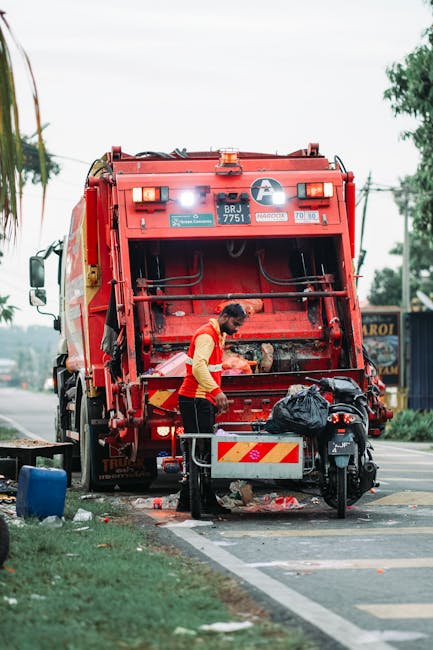
If you are planning a clear-out in Haringey, one of the first questions that comes up is simple...
If you live, rent, run a business, or manage a property in Harringay, the Haringey council rules...
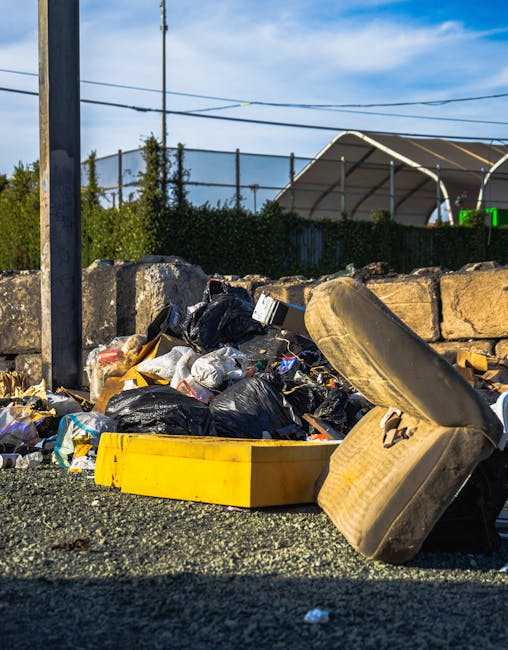
If you are arranging a rubbish clearance in Harringay, the booking stage can make or break the...

If you live in Harringay and your home is one of those charming places with a tight hallway, a...

If you need waste gone quickly, the last thing you want is a messy, drawn-out process.

If you are trying to sort Bulky rubbish pickup near Turnpike Lane station Harringay, you are...

If you have ever booked a bin or rubbish collection and then watched the final bill creep up, you...

If you've got a pile of hedge trimmings, lawn clippings, branches, old soil bags, or that...

Moving out is busy enough without staring at a flat full of leftover furniture, broken bits, old...

Buying a property in Harringay, a vibrant area in North London, can be an exciting yet daunting...

If you're looking to host an unforgettable party in Harringay, you're in for a treat.

 (82)
(82)