
14/10/2026
If you live, work, rent, or run a business around Green Lanes in Harringay, rubbish has a habit...
At Waste Disposal Harringay, safe waste collection is at the heart of everything we do. From small household clearances to large commercial projects, we operate as a fully insured rubbish removal service in the Harringay area, following strict safety procedures to protect our customers, staff, and the wider community. This page explains our insurance cover, staff training, personal protective equipment, and risk assessment process so you know exactly how we manage safety on every job.
Our customers benefit from robust public liability insurance that covers our operations across Harringay and the surrounding areas. This insurance is in place to provide peace of mind whenever we are working on your premises, in shared spaces, or on public land.
Public liability insurance is designed to protect against claims arising from accidental damage to property or injury to third parties that may occur during our rubbish removal services. While our processes are built to minimise risks, we understand that unforeseen events can happen, and our insurance policy is there to provide an extra layer of protection.
We regularly review and maintain our cover to ensure it remains appropriate for the scale and nature of our activities. Our team members are fully briefed on the boundaries of our policy and are trained to work in a way that keeps our insured rubbish removal service compliant with legal and industry expectations.
We recognise that every property and every clearance is different. Whether we are collecting bulky items from a flat, clearing rubbish from a shop unit, or working around shared access ways, our focus is always on safe waste collection.
To support this, we have developed clear procedures for traffic management around our vehicles, safe loading and unloading, and careful movement of items through stairwells and communal spaces. Our teams are trained to respect neighbours, building users, and passers by, keeping pathways clear and minimising disruption while we work.
Our insured rubbish removal area covers a wide range of property types, including houses, flats, offices, retail premises, and small industrial units. In each case, our staff are instructed to stop and reassess if they identify any new risk, such as unstable items, limited access, or unexpected hazards.
Professional training is central to delivering a consistently safe waste collection service. Every member of our team receives structured induction training when they join Waste Disposal Harringay, followed by regular refreshers and toolbox talks.
Our training covers:
Manual handling techniques for lifting, carrying, and moving heavy or awkward items without injury.
Safe operation around vehicles, including reversing guidance, loading, and unloading.
Identification of hazardous materials and what to do if they are encountered.
Use, inspection, and maintenance of personal protective equipment.
Site specific behaviour, such as working in communal stairwells, car parks, or tight residential streets.
We reinforce our training with on the job supervision. Less experienced staff work under the guidance of more senior team members who ensure that correct procedures are followed. This approach not only protects our customers but also creates a strong safety culture across our insured rubbish removal area.
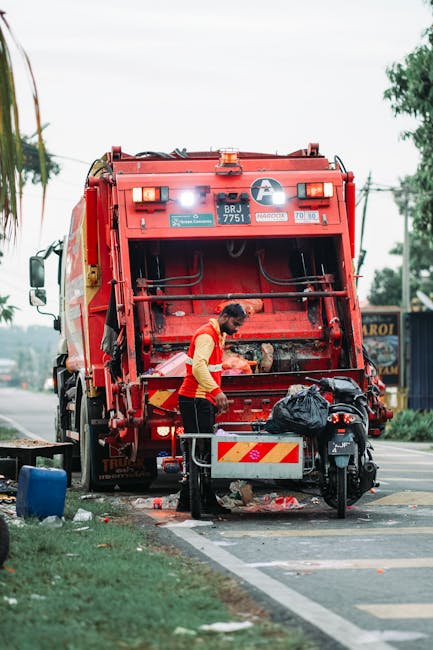
To maintain high standards of safety, all operatives are issued with appropriate personal protective equipment for rubbish removal tasks. The exact PPE used will depend on the nature of the job, but typically includes:
High visibility clothing to ensure staff can be clearly seen, particularly when working near roads or in low light conditions.
Safety gloves designed to protect against cuts, abrasions, and contact with rough or sharp materials.
Safety footwear with reinforced toes and slip resistant soles to prevent injuries from dropped items and uneven ground.
Dust masks or respirators for work involving dusty waste or environments with limited ventilation.
Eye protection where there is a risk from splinters, dust, or flying debris.
All PPE is inspected regularly and replaced when necessary. Our teams are trained to check their equipment before every shift and to report any damage or wear immediately. Wearing PPE is a non negotiable requirement for our staff and forms a critical part of our safe waste collection policy.
A structured risk assessment process underpins our safety management. Before we begin any job, we assess the site and the nature of the waste to identify potential hazards and agree suitable control measures.
For routine jobs, we rely on standard operating procedures supported by dynamic, on site risk assessments carried out by the team leader. For larger or more complex clearances, a more detailed assessment may be completed in advance, taking into account access routes, parking arrangements, the type and volume of waste, and any known site specific issues.
Our team leaders are trained to consider factors such as:
Safe vehicle positioning and traffic flow around the collection area.
Trip, slip, and fall hazards inside and outside the property.
Weight, size, and stability of items being removed.
Presence of potentially hazardous waste such as chemicals, sharp objects, or electrical equipment.
Weather conditions and lighting that might impact safe working.
Where a risk is identified, control measures are implemented before work starts. This might include changing the route used to move items, breaking down large objects, using additional lifting equipment, or requesting residents or staff to avoid particular areas while the collection is carried out.
Safety is not a one time activity but an ongoing process. We monitor our operations across the insured rubbish removal area, review any incidents or near misses, and adjust our methods where needed. Feedback from both customers and staff helps us refine our procedures and keep our safe waste collection standards up to date.
By combining comprehensive public liability insurance, strong staff training, appropriate PPE, and a robust risk assessment approach, Waste Disposal Harringay delivers a reliable, safe, and responsible waste removal service for homes and businesses throughout Harringay.

GET A FREE QUOTE
Too sick to move junk? Our team is here to help you out!
We provide high standard waste dsiposal Harringay services at very competitive prices.
 Tipper Van - Rubbish Removal and Builders Waste Disposal Prices in Harringay, N4
| Space іn the van | Loadіng Time | Cubіc Yardѕ | Max Weight | Equivalent to: | Prіce* |
| Minimum Load | 10 min | 1.5 | 100-150 kg | 8 bin bags | £90 |
| 1/4 Load | 20 min | 3.5 | 200-250 kg | 20 bin bags | £160 |
| 1/2 Load | 40 min | 7 | 500-600kg | 40 bin bags | £250 |
| 3/4 Load | 50 min | 10 | 700-800 kg | 60 bin bags | £330 |
| Full Load | 60 min | 14 | 900-1100kg | 80 bin bags | £490 |
*Our rubbish removal prіces are baѕed on the VOLUME and the WEІGHT of the waste for collection.
 Luton Van - Rubbish Removal and Builders Waste Disposal Prices in Harringay, N4
| Space іn the van | Loadіng Time | Cubіc Yardѕ | Max Weight | Equivalent to: | Prіce* |
| Minimum Load | 10 min | 1.5 | 100-150 kg | 8 bin bags | £90 |
| 1/4 Load | 40 min | 7 | 400-500 kg | 40 bin bags | £250 |
| 1/2 Load | 60 min | 12 | 900-1000kg | 80 bin bags | £370 |
| 3/4 Load | 90 min | 18 | 1400-1500 kg | 100 bin bags | £550 |
| Full Load | 120 min | 24 | 1800 - 2000kg | 120 bin bags | £670 |
*Our rubbish removal prіces are baѕed on the VOLUME and the WEІGHT of the waste for collection.
If you live, work, rent, or run a business around Green Lanes in Harringay, rubbish has a habit...

If you have ever seen a black bag left beside a wall, a broken wardrobe dumped near a kerb, or...
If you are planning a clear-out in Haringey, one of the first questions that comes up is simple...
If you live, rent, run a business, or manage a property in Harringay, the Haringey council rules...
If you are arranging a rubbish clearance in Harringay, the booking stage can make or break the...
If you live in Harringay and your home is one of those charming places with a tight hallway, a...
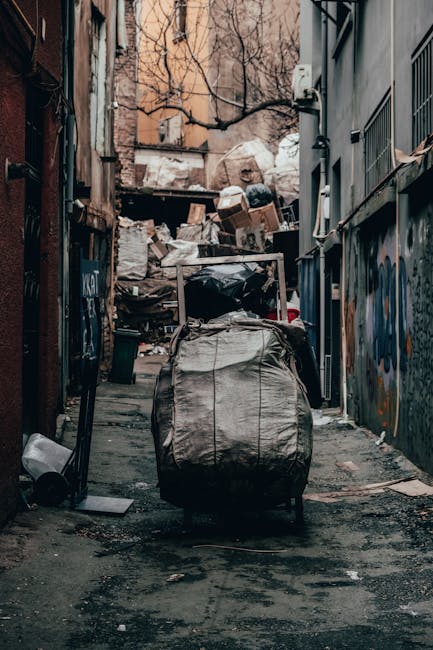
If you need waste gone quickly, the last thing you want is a messy, drawn-out process.
If you are trying to sort Bulky rubbish pickup near Turnpike Lane station Harringay, you are...
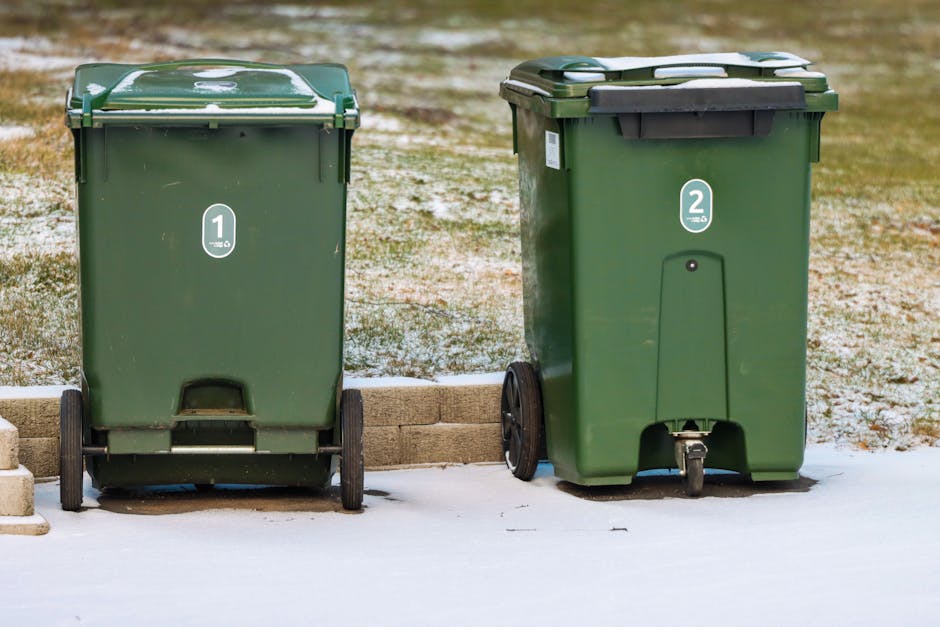
If you have ever booked a bin or rubbish collection and then watched the final bill creep up, you...
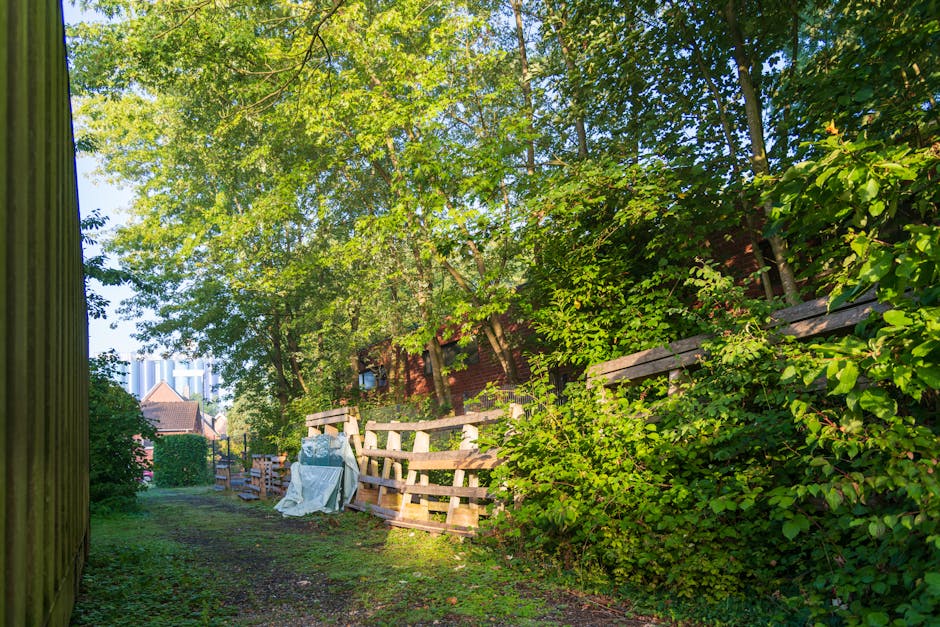
If you've got a pile of hedge trimmings, lawn clippings, branches, old soil bags, or that...
Moving out is busy enough without staring at a flat full of leftover furniture, broken bits, old...
Buying a property in Harringay, a vibrant area in North London, can be an exciting yet daunting...

 (82)
(82)