Haringey council rules for rubbish collection in Harringay
Posted on 02/08/2026
Haringey council rules for rubbish collection in Harringay: a practical local guide
If you live, rent, run a business, or manage a property in Harringay, the Haringey council rules for rubbish collection can affect your week more than you might expect. Miss a collection day, leave bags in the wrong place, or put the wrong thing in the wrong bin, and suddenly you are dealing with mess, complaints, pests, or a missed pickup notice. Not glamorous, but very real.
This guide breaks the subject down in plain English. You will learn how local rubbish collection normally works in Harringay, why the rules matter, what to do with bulky or awkward waste, and how to avoid the common mistakes that trip people up. Where council guidance and household set-up can vary, I will keep the wording careful and practical. No fluff, no guessing.
Why Haringey council rules for rubbish collection in Harringay Matters
Rubbish collection rules are one of those things people only notice when something goes wrong. Then they matter a lot. In Harringay, the main issue is not just getting waste removed; it is getting it removed in a way that fits local collection routines, street access, shared housing arrangements, and the practical reality of living in a busy London neighbourhood.
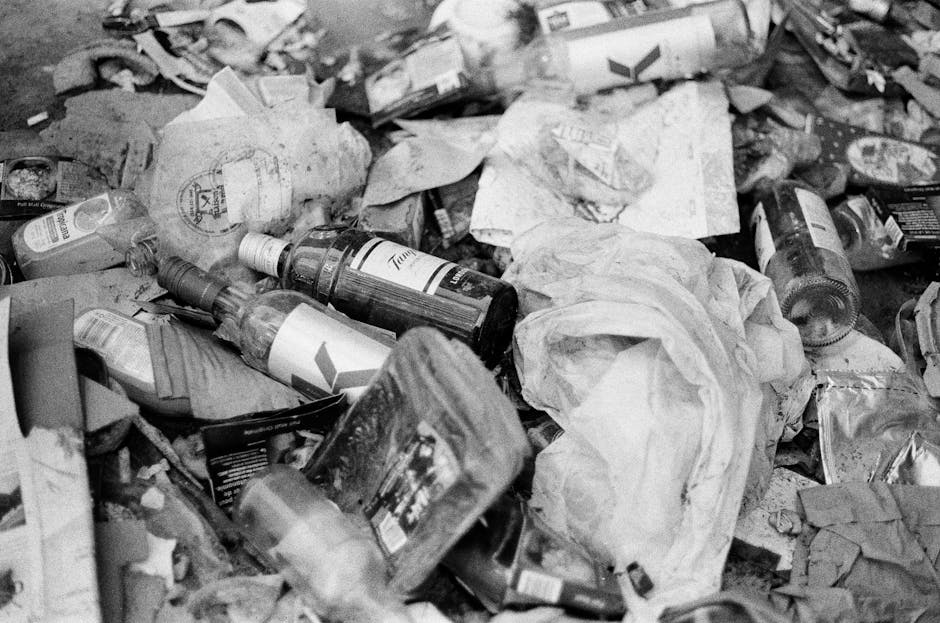
When the rules are followed properly, bins are emptied on time, the pavement stays clear, and the street does not become a magnet for fly-tipping. That last part really matters in dense residential areas. One abandoned bag can turn into a little pile, then a bigger one. By Friday morning it can smell awful. Let's be honest, nobody wants that near their front door.
There is also a financial angle. Ignoring local rules can lead to missed collections, repeat work, or the need for last-minute rubbish removal. If you are a tenant at the end of a lease, a landlord preparing a handover, or a homeowner clearing after a refurb, the cost of a poor setup is usually more than the cost of doing it right first time.
For people comparing local waste options, it is worth understanding the wider service picture too. Pages like the services overview and recycling and sustainability guidance can help you see how organised waste handling sits alongside ordinary household routines. That is the real point here: not just disposal, but control.
How Haringey council rules for rubbish collection in Harringay Works
At a practical level, rubbish collection in Harringay usually follows a simple pattern. Household bins are set out for scheduled collection, recyclable materials are separated where required, and larger or unusual items are handled through separate arrangements. The exact details can depend on property type, access, bin storage, and whether you live in a house, flat, or managed building.
The key thing to understand is that councils and collection crews tend to expect waste to be sorted and presented properly. Bags should be securely tied. Bins should not be overfilled to the point where lids cannot close. Hazardous or specialist waste should not be left in general bins. And if your street or property has limited access, you may need to think more carefully about where items are placed and when.
In many homes, the process is straightforward: general waste goes one way, dry recycling another, and food waste may have its own container where provided. Bigger items are a different story. Sofas, wardrobes, mattresses, white goods, and builders' debris usually do not belong in normal collection streams. That is where a planned rubbish collection or disposal service becomes helpful, especially if you are dealing with a move, renovation, or end-of-tenancy clear-out.
If you are unsure what counts as a bulky item or how local collection capacity affects your building, the most reliable approach is to treat council collection and private clearance as two different tools. One is for routine household waste. The other is for the awkward stuff. Simple, really.
People in the area often look for more tailored help through services such as domestic waste collection in Harringay or rubbish collection in Harringay when the normal bin routine is not enough. That is especially common in flats, shared homes, and busy family properties.
Key Benefits and Practical Advantages
Following the local rubbish collection rules is not just about avoiding hassle. It creates a cleaner, calmer property and usually makes the rest of life run better. A tidy waste setup cuts down on smell, pests, awkward conversations with neighbours, and the sudden panic of trying to clear everything before an inspection.
- Cleaner kerbside presentation: bins and bags are less likely to spill, blow over, or attract attention.
- Fewer missed collections: the right waste in the right container is easier for crews to take away.
- Lower risk of complaints: especially useful in shared buildings and terraced streets.
- Better recycling outcomes: sorting waste properly helps materials go where they should.
- Less last-minute stress: this matters most during moves, works, and tenancy changes.
There is another advantage that people sometimes overlook: good waste habits save space. In a small Harringay kitchen or hallway cupboard, even one overflow week can become annoying very quickly. Bag by bag, stuff builds up. You know the feeling. Suddenly there is no room for the mop, the spare lightbulbs, or the shopping you meant to put away ten minutes ago.
For people planning bigger clearances, this is where a structured service can make life much easier. If the waste is mixed, heavy, or time-sensitive, looking at waste disposal in Harringay or waste clearance in Harringay can be a sensible next move. And if the job is quite specific, such as an old sofa or an appliance, specialised options can help keep things orderly.
Who This Is For and When It Makes Sense
This topic matters to a wider group than people often think. Yes, it is useful for homeowners. But it is just as relevant to tenants, landlords, letting agents, property managers, shop owners, office managers, and builders working on small local jobs.
You may need this guidance if you are:
- moving out and need to leave the property clean;
- moving in and want to understand how local waste systems work;
- managing shared bins in a flat block or converted house;
- clearing garden cuttings, furniture, or white goods;
- dealing with end-of-tenancy rubbish that has piled up;
- running a small business and producing commercial waste;
- planning a remodel, loft project, or builders' clean-up;
- trying to avoid overfilling bins in a narrow-access street or mews-style property.
In our experience, the people who benefit most are the ones who think ahead by a day or two. Not weeks. Just enough to stop waste becoming a problem before the collection window. That tiny bit of planning can save a lot of hassle. Especially on a Monday morning when the street is already busy and everyone is trying to get out the door.
If you live in a flat, or you are managing a property near a busy road, it also helps to know that local access matters. A collection plan that works for a house with a front drive may be awkward for a basement flat or a building with shared storage. That is where practical local services and sensible timing start to matter more than people expect.
Step-by-Step Guidance
If you want to handle rubbish in Harringay without unnecessary friction, follow a simple process. It keeps things organised and makes it easier to decide whether council collection is enough or whether you need extra help.
- Identify the waste type. Separate normal household rubbish from recycling, food waste, bulky items, electricals, garden waste, and construction debris.
- Check your bin setup. Make sure you know which container is for what, and whether your property shares bins with other households.
- Prepare items properly. Tie bags securely, flatten boxes, and remove loose material that might scatter.
- Set waste out at the right time. Avoid leaving bags on the pavement too early, especially if the weather is wet or windy.
- Keep access clear. Crews need a safe way to reach bins and bulky items. Do not block paths, gates, or entrances.
- Separate items needing specialist handling. Fridges, mattresses, paints, chemicals, and builders' waste often need separate treatment.
- Choose the right collection method. If your waste will not fit standard collection rules, book a suitable clearance option.
Here is the simple decision point: if it is ordinary, clean household waste, council collection may be enough. If it is bulky, mixed, heavy, awkward, or time-sensitive, then a dedicated rubbish pickup makes more sense. That is usually the line. Not always, but usually.
For a more practical, service-led route, you might look at waste disposal in Harringay or even specific pages such as furniture removal in Harringay when sofas, beds, or wardrobes are the main issue. If you are dealing with a room reset, the furniture often takes more space than expected. Always.
Expert Tips for Better Results
Little habits make a big difference. That sounds almost annoyingly obvious, but it is true. Most rubbish issues in Harringay are not dramatic compliance failures; they are small oversights repeated a few times.
- Sort waste as you go. Do not wait until the end of the week. The pile gets messy fast.
- Keep one "problem" box. Put batteries, cables, broken bits, and small electricals in one place so they do not drift into the wrong bin.
- Use strong liners or sacks. Weak bags split at the worst possible moment, usually just before collection.
- Measure bulky items before booking. A quick check of size, weight, and access can avoid awkward surprises.
- Plan around neighbours and parking. In dense streets, timing matters almost as much as the waste itself.
- Take photos of mixed loads. This can help you compare quotes and avoid misunderstandings.
One practical tip that often helps in older terraced or converted properties: keep the route from the waste area to the street as clear as possible before collection day. A narrow hallway, a half-open gate, or a cluttered side passage can slow everything down. If you have a difficult layout, you may find advice on rubbish removal for narrow access properties in Harringay especially useful.
And yes, do not forget the weather. A damp morning, a bin bag with torn seams, and a gust of wind can turn a tidy plan into a small disaster. London has a way of doing that to people.
Common Mistakes to Avoid
The most common mistakes are usually boring, which is exactly why people keep making them. The good news is they are easy to avoid once you know what to watch for.
- Overfilling bins: if the lid will not close, you are increasing the chance of rejection or spillage.
- Mixing prohibited items with general waste: this can create safety or collection issues.
- Leaving waste out too early: this can block pavements and attract pests or complaints.
- Assuming bulky items are included in normal collection: not always true, and it catches people out.
- Booking too late before a move: the end-of-tenancy rush is where mistakes multiply.
- Ignoring access issues: if crews cannot reach the waste, the job slows down or may need rescheduling.
Expert summary: the easiest way to stay on the right side of local rubbish rules is to sort early, present waste cleanly, and treat bulky items as a separate planning task. If it feels like a hassle now, it will be a bigger hassle later.
It also helps to avoid hidden charges by being precise. If you are booking a paid collection, make sure you know what is included, what counts as mixed waste, and whether extra labour or access time could affect the cost. There is a useful local read on this in avoiding hidden rubbish charges in Harringay bin services. A few minutes of clarity can save a surprisingly awkward conversation later.
Tools, Resources and Recommendations
You do not need a complicated system to manage rubbish well. A few simple tools are enough for most Harringay homes and small businesses.
- Labelled storage boxes: useful for batteries, cables, and small electrical items.
- Heavy-duty sacks: handy for garden cuttings, mixed household items, and general decluttering.
- A tape measure: surprisingly useful for furniture, fridges, and awkward loft items.
- Bin calendar reminder: a basic phone reminder can prevent missed collection days.
- Clear staging area: keep items in one dry place until collection.
For local residents looking for practical help, the most relevant site pages are often the ones that match the type of waste, not just the neighbourhood. For example, builders waste disposal in Harringay is more useful for renovation debris than a general rubbish page, while garden waste removal in Harringay makes more sense when you have hedge trimmings, soil bags, or broken plant pots.
If you are comparing providers, it is worth checking trust and operating standards too. A company's waste carrier licence and compliance information matters because waste should be handled and transported lawfully. You may never think about it on a normal day. Fair enough. But it is exactly the kind of detail that separates proper disposal from a risky shortcut.
Law, Compliance, Standards and Best Practice
This is the part people sometimes skim, and then regret later. Waste rules in the UK are not just about tidiness; they also connect to duties around safe handling, legal disposal, and environmental responsibility. You do not need to become a compliance expert, but you do need the basics.
For households, the practical standard is straightforward: separate waste properly, use the right container, and do not place prohibited items where they do not belong. For businesses, the expectations are higher. Commercial waste must be handled responsibly, stored safely, and collected by a suitable operator. Records, receipts, and reasonable care all matter.
There is also the issue of electricals, furniture, and reusable materials. Many items can be diverted from landfill or general disposal routes when they are handled properly. That is one reason recycling and responsible clearance are worth the extra bit of thought. It is not preachy. It is just common sense with a cleaner footprint.
Best practice in Harringay usually means:
- keeping waste streams separate where possible;
- avoiding overflow and obstruction;
- using licensed collection and disposal channels;
- booking specialist removal for bulky or unusual items;
- respecting neighbours, access routes, and collection timing.
For people who want a broader sense of the company's operating standards and service principles, pages like insurance and safety, terms and conditions, and privacy policy can help build confidence in how a provider works. That may sound dry. It is not exciting, no. But it is the sort of detail that makes a service feel dependable.
Options, Methods, or Comparison Table
Different waste situations call for different methods. A quick comparison can help you choose the right one without overthinking it.
| Method | Best for | Strengths | Limitations |
|---|---|---|---|
| Council bin collection | Regular household waste and recycling | Routine, familiar, and convenient for everyday use | Not suitable for bulky items or awkward loads |
| Bulky rubbish pickup | Sofas, mattresses, white goods, one-off large items | Good for items too large for the bin | May need booking and clear access |
| General waste clearance | Decluttering, mixed household clear-outs, moving prep | Flexible and useful for mixed loads | Needs sensible sorting to avoid wasted space |
| Builders waste disposal | Renovation debris, bricks, timber, rubble | Handles heavier, messier material properly | Not for normal domestic rubbish |
| Furniture or appliance removal | Single bulky household items | Simple when one or two large items are involved | May not suit mixed loads on its own |
If your situation is a clean-out rather than a normal bin day, the most useful pages are often house clearance in Harringay, loft clearance in Harringay, or office clearance in Harringay. Those options can be a better fit when the waste is accumulated rather than routine.
Case Study or Real-World Example
Picture a fairly typical Harringay scenario. A couple are moving out of a first-floor flat after six years. They have a mattress, two broken desk chairs, three bin bags of mixed clutter, a small appliance, and a box of old cables. At first glance it looks manageable. Then they remember the stairwell is narrow, the lift is unreliable, and the move-out date is in two days. Bit of a headache.
They start by separating the easy stuff: recycling, general waste, and things that can be reused or donated. Then they measure the mattress and the appliance. They realise the normal bin system will not handle the large items, and forcing them into the week's standard collection would be a waste of time. So they book a focused rubbish removal slot and leave a clear path from the front room to the exit.
The result is simple: less stress, cleaner rooms, and no awkward pile building up in the hallway. The extra organisation also helps them avoid a last-minute scramble on the final morning when everyone is tired and someone has misplaced the tape. You know how it goes.
This same approach works for garden clearances and small renovation jobs too. If the waste is seasonal or project-based, a targeted collection is usually cleaner than trying to squeeze everything into normal collections. For example, local guidance such as garden rubbish collection around Seven Sisters Road in Harringay and bulky rubbish pickup near Turnpike Lane Station shows how specific local jobs benefit from specific planning.
Practical Checklist
Use this before collection day. It is the kind of list that saves a lot of trouble.
- Check which waste stream each item belongs to.
- Make sure bags are tied and bins are not overfilled.
- Keep walkways, gates, and entrances clear.
- Separate bulky items from normal bin waste.
- Measure large items if you may need a special pickup.
- Remove hazardous or specialist items from general waste.
- Confirm access for any crew or collection vehicle.
- Plan timing so waste is not left out too long.
- Use a licensed service if you need additional disposal help.
- Keep a quick record or photo of what has been removed, especially for tenancy or business purposes.
If you are at the end of a tenancy, a focused plan is especially useful. A helpful local example is end-of-tenancy rubbish clearance in Harringay Ladder N4, which reflects the kind of practical pressure people feel when keys are due back and there is still clutter in the way.
Conclusion
Haringey council rules for rubbish collection in Harringay are really about keeping everyday life orderly, safe, and manageable. Once you understand how the system works, what belongs where, and when to use a specialist collection, the whole thing becomes far less annoying. Not effortless, no. But manageable, definitely.
The main lesson is simple: treat waste as part of your home routine, not an afterthought. Sort early, present items properly, and book extra help when the waste is too large, too mixed, or too awkward for standard collection. That approach protects your property, saves time, and keeps the street looking decent too.
If you want a cleaner, simpler way to handle a one-off clear-out, take a few minutes to compare your options and plan ahead. It is one of those small jobs that pays you back quickly.
Get a free quote today and see how much you can save.


 Tipper Van - Rubbish Removal and Builders Waste Disposal Prices in Harringay, N4
 Luton Van -