
14/10/2026
If you live, work, rent, or run a business around Green Lanes in Harringay, rubbish has a habit...
Waste Disposal Harringay provides dependable, fully licensed commercial waste removal for businesses across Harringay and the surrounding commercial districts. From busy offices and shops along Green Lanes to warehouses near the Harringay Ladder and industrial units off the A105, we collect, sort and dispose of your business waste safely, legally and cost-effectively.
Whether you manage a small office, a retail unit, a restaurant, or a large industrial site, we offer tailored commercial waste collection and office rubbish removal designed around your operating hours and waste volumes.
Our team specialises in trade and commercial waste collection for a wide range of local businesses. We work throughout Harringay, including busy commercial stretches around Green Lanes, Turnpike Lane, Seven Sisters Road, and the mixed-use business areas close to Harringay Green Lanes and Harringay rail stations.
We collect most types of commercial waste, including:
General trade waste and black bag rubbish
Office waste such as paper, cardboard, packaging and mixed recyclables
Retail and showroom waste from shops, salons and showrooms
Light industrial and warehouse waste from units on local industrial estates
Catering and hospitality waste from restaurants, cafes, bars and takeaways
Confidential office materials for secure handling and disposal
All collections are carried out by trained, uniformed staff using licensed waste vehicles, ensuring your business stays fully compliant with UK waste regulations.
Waste Disposal Harringay offers flexible office rubbish removal for businesses in and around Harringay, including offices above shops, shared workspaces, and commercial premises on nearby business parks. Whether you need a one-off office clearance or regular collections, we make it easy to keep your workspace tidy and clutter-free.
Our office rubbish removal services include:
Regular office bin collections for general and recyclable waste
One-off office clearances during refurbishments, relocations or end-of-lease
Removal of old furniture, desks, chairs and cabinets
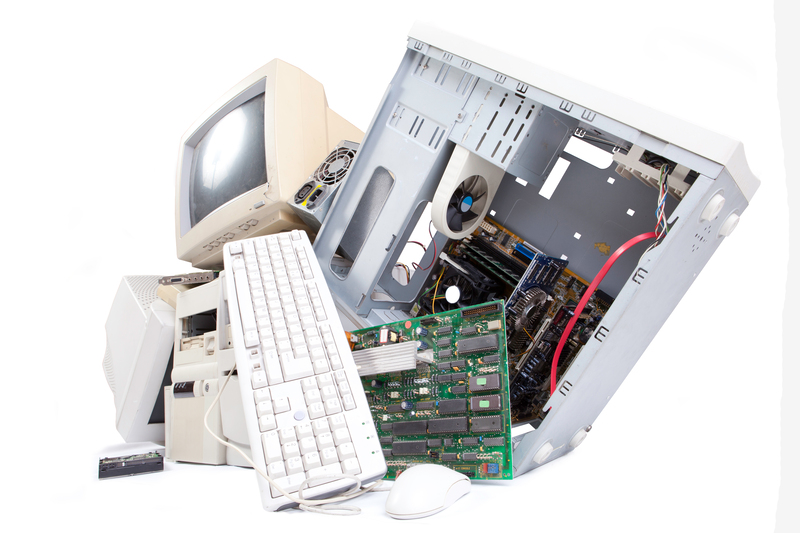
Disposal of redundant IT equipment and office electronics
Collection of bulk packaging and archive paperwork
We work efficiently and with minimal disruption, planning collections outside your peak working hours where possible to keep your staff and customers undisturbed.
We understand the pressures faced by businesses operating in Harringay’s busy commercial areas, from high street retailers to small industrial workshops. Our commercial waste removal is designed specifically for B2B clients, offering:
Reliable, punctual collections tailored to your trading hours
Dedicated account management for multi-site or higher-volume waste producers
Simple, transparent pricing with no hidden extras
Flexible options for businesses in shared premises or serviced offices
Support with waste compliance and duty-of-care requirements
Because we focus on local business waste, we are familiar with loading restrictions, access challenges and time limits on main routes such as Green Lanes and Turnpike Lane, helping your collections run smoothly and without fines or disruption.
For most businesses, regular commercial waste contracts are the most cost-effective and efficient way to manage rubbish. Waste Disposal Harringay offers scheduled trade waste collections with a timetable that fits your business pattern, whether you need daily, weekly or fortnightly services.
With a regular contract, you benefit from:
Agreed collection days and times that suit your opening hours
Waste containers sized to your needs, from small bins to larger wheeled containers
Predictable monthly costs for easier budgeting
Priority access to additional collections in busy periods
Support when your waste volumes change due to seasonal trade or business growth
We can visit your premises in Harringay to assess your waste streams, recommend the right container sizes and frequencies, and design a waste management plan that keeps your site tidy, compliant and efficient.
As a business in the UK, you have a legal duty of care to ensure your waste is handled by a licensed carrier and disposed of correctly. Waste Disposal Harringay provides a Waste Transfer Note for every relevant collection, giving you clear documentation that your waste has been transferred to an authorised waste carrier.
Our Waste Transfer Notes include the type and quantity of waste collected, the date, time and location of collection, and details of our waste carrier licence. These records help protect your business in the event of compliance checks or audits, and form an important part of your environmental management documentation.
We store copies of Waste Transfer Notes for the required retention period, making it easy for you to access historical records if you ever need them.
More and more businesses in Harringay are focusing on sustainability and reducing their environmental impact. We support this by providing recycling reports that show how much of your waste is being diverted from landfill and what proportion is being recycled or recovered.
Our recycling reports can help you:
Track improvements in your recycling rate over time
Demonstrate environmental performance to clients, landlords or stakeholders
Support ISO or other environmental management certifications
Identify opportunities to separate additional recyclable materials
By separating recyclable materials such as cardboard, paper, plastics and metals at source, and letting us handle them through appropriate recycling channels, you can often reduce your general waste volumes and potentially lower your waste management costs.
Harringay contains a mix of high street retail, office spaces, light industrial units and service businesses. We regularly collect from premises along Green Lanes, around Turnpike Lane and surrounding side streets, as well as from workshops and warehouses in nearby industrial estates and commercial zones in the borough.
We understand the specific needs of different types of premises, including:
High street shops and restaurants with limited storage space
Offices in mixed-use buildings that need discreet, timed collections
Industrial units requiring bulk waste removal and regular container servicing
Healthcare, education and community organisations with specialist waste streams
Our local knowledge of Harringay’s roads, loading bays and access restrictions helps us plan efficient routes and reliable collection schedules, minimising disruption and ensuring your bins are emptied on time.
Choosing the right waste partner is essential for compliance, cost control and the smooth running of your business. Waste Disposal Harringay offers:
Fully licensed commercial waste collection and disposal
Tailored solutions for office rubbish removal and trade waste
Regular contracts with clear pricing and reliable service
Waste Transfer Notes and recycling reports for every relevant collection
Local experts who understand Harringay’s business and industrial areas
Whether you run a single small office or manage multiple sites, we can build a commercial waste removal plan that keeps your premises clean, your staff safe, and your business fully compliant.

GET A FREE QUOTE
Too sick to move junk? Our team is here to help you out!
We provide high standard waste dsiposal Harringay services at very competitive prices.
 Tipper Van - Rubbish Removal and Builders Waste Disposal Prices in Harringay, N4
| Space іn the van | Loadіng Time | Cubіc Yardѕ | Max Weight | Equivalent to: | Prіce* |
| Minimum Load | 10 min | 1.5 | 100-150 kg | 8 bin bags | £90 |
| 1/4 Load | 20 min | 3.5 | 200-250 kg | 20 bin bags | £160 |
| 1/2 Load | 40 min | 7 | 500-600kg | 40 bin bags | £250 |
| 3/4 Load | 50 min | 10 | 700-800 kg | 60 bin bags | £330 |
| Full Load | 60 min | 14 | 900-1100kg | 80 bin bags | £490 |
*Our rubbish removal prіces are baѕed on the VOLUME and the WEІGHT of the waste for collection.
 Luton Van - Rubbish Removal and Builders Waste Disposal Prices in Harringay, N4
| Space іn the van | Loadіng Time | Cubіc Yardѕ | Max Weight | Equivalent to: | Prіce* |
| Minimum Load | 10 min | 1.5 | 100-150 kg | 8 bin bags | £90 |
| 1/4 Load | 40 min | 7 | 400-500 kg | 40 bin bags | £250 |
| 1/2 Load | 60 min | 12 | 900-1000kg | 80 bin bags | £370 |
| 3/4 Load | 90 min | 18 | 1400-1500 kg | 100 bin bags | £550 |
| Full Load | 120 min | 24 | 1800 - 2000kg | 120 bin bags | £670 |
*Our rubbish removal prіces are baѕed on the VOLUME and the WEІGHT of the waste for collection.
If you live, work, rent, or run a business around Green Lanes in Harringay, rubbish has a habit...

If you have ever seen a black bag left beside a wall, a broken wardrobe dumped near a kerb, or...
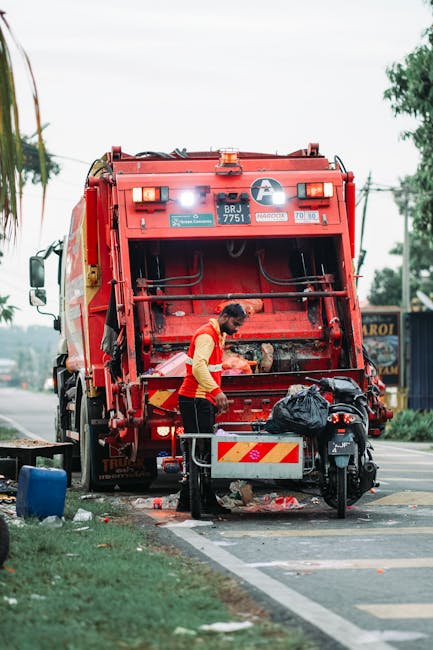
If you are planning a clear-out in Haringey, one of the first questions that comes up is simple...
If you live, rent, run a business, or manage a property in Harringay, the Haringey council rules...
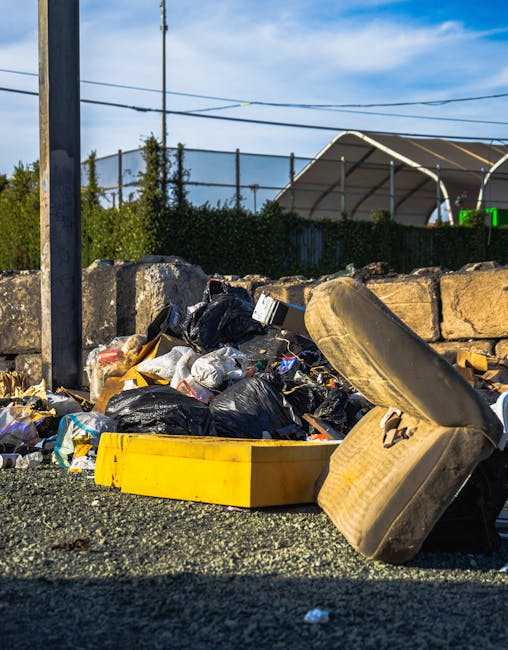
If you are arranging a rubbish clearance in Harringay, the booking stage can make or break the...
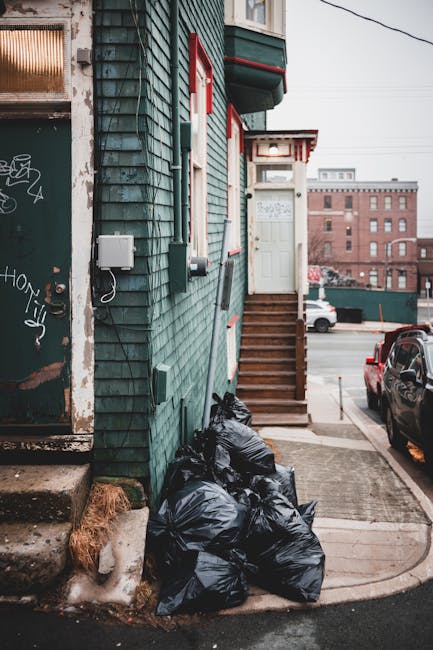
If you live in Harringay and your home is one of those charming places with a tight hallway, a...
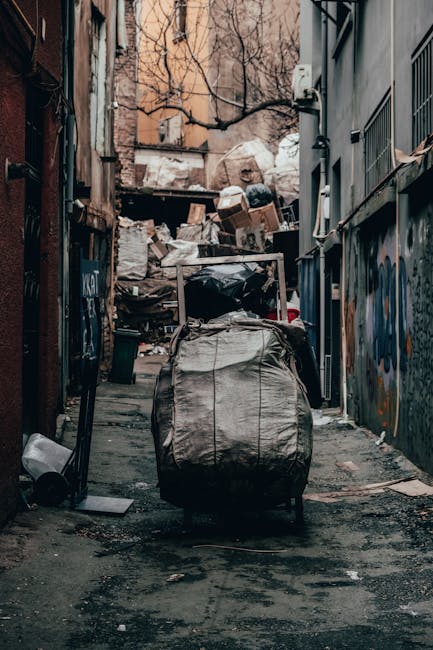
If you need waste gone quickly, the last thing you want is a messy, drawn-out process.
If you are trying to sort Bulky rubbish pickup near Turnpike Lane station Harringay, you are...
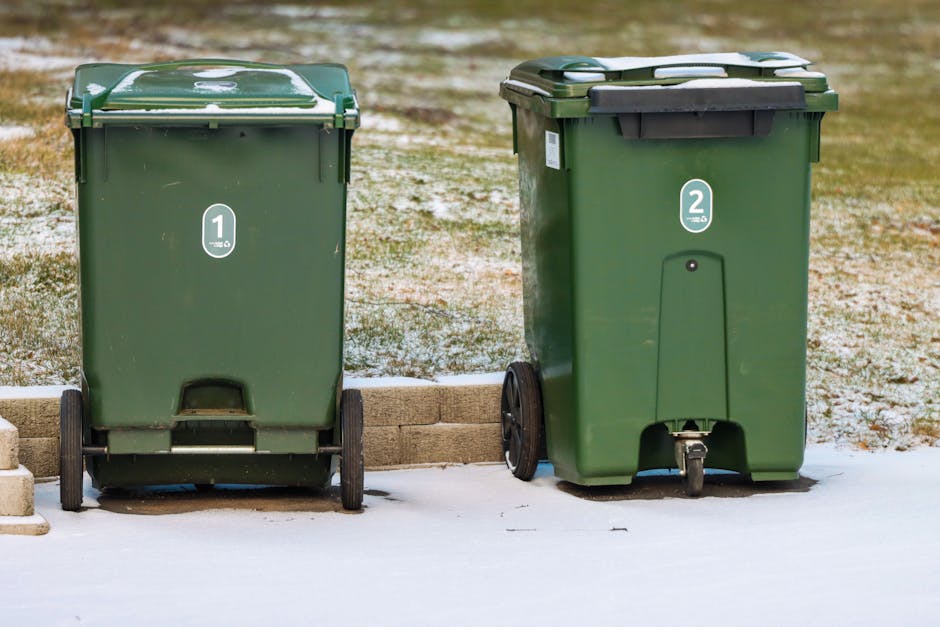
If you have ever booked a bin or rubbish collection and then watched the final bill creep up, you...
If you've got a pile of hedge trimmings, lawn clippings, branches, old soil bags, or that...
Moving out is busy enough without staring at a flat full of leftover furniture, broken bits, old...
Buying a property in Harringay, a vibrant area in North London, can be an exciting yet daunting...

 (82)
(82)