11/09/2026
If you have ever seen a black bag left beside a wall, a broken wardrobe dumped near a kerb, or...
Waste Disposal Harringay provides a complete, reliable house clearance service for homes and flats across Harringay and the surrounding streets. From compact flats on Green Lanes and ladder roads like Warham Road and Raleigh Road, to larger terraced houses near Finsbury Park and converted properties around Turnpike Lane, we clear spaces quickly, safely, and responsibly.
Whether you need a full house cleared after a move, a partial clearance of bulky items, or sensitive support with probate clearances, our local team is on hand to help. We focus on recycling, reusing, and donating as much as possible, ensuring ethical disposal of everything we remove.
Our full house clearance service is ideal when you need a property cleared from top to bottom. We handle all types of homes, including terraced houses off Harringay Ladder roads, maisonettes around Harringay Green Lanes, and larger family properties near Ducketts Common.
We can clear:
Furniture such as sofas, wardrobes, beds, and dining sets
White goods including fridges, freezers, washing machines, and cookers
General household contents, bric-a-brac, books, and personal effects you no longer need
Lofts, cellars, garages, sheds, and outside storage areas
Our team does all the lifting, loading, and sorting. We carefully separate items for recycling, donation, and responsible disposal, leaving the property swept through and ready for sale, rental, refurbishment, or handover to an agent or landlord.
Many Harringay residents live in flats and converted properties, from mansion blocks near Manor House to Victorian conversions running off Green Lanes. Our flat clearance service is designed to cope with tight stairwells, shared entrances, and limited parking common in the area.
We regularly clear:
Purpose-built flats along Harringay Green Lanes and nearby estates
Upper-floor conversions on the ladder roads and surrounding terraces
Studio apartments and smaller city flats around Turnpike Lane and Seven Sisters Road
We work carefully in communal areas, protecting walls, floors, lifts, and staircases, and coordinate access to minimise disruption to neighbours. Whether you are clearing a single room in a shared flat or an entire multi-storey property, we tailor the service to your layout and schedule.
You may not always need a full property cleared. Waste Disposal Harringay offers a flexible partial clearance service, ideal when you are:
Decluttering before a move or renovation
Preparing a property for letting or sale
Clearing specific rooms such as lofts, basements, or spare bedrooms
Removing old or damaged furniture and large appliances only
We can remove just a few bulky items or several loads, depending on what you need. Our team works room by room, taking care to leave all items you wish to keep in place and clearly separated from those to be taken away.
Managing a house clearance during probate can be emotionally and practically challenging. We provide a considerate, discreet probate clearance service for properties throughout Harringay, from long-established family homes in terraced streets to flats in local estates.
Our probate clearance service can include:
Full or partial clearance in line with solicitor or executor instructions
Careful sorting of items for family members, charities, or sale
Detailed itemisation where required for probate records
Secure handling of personal documents and sensitive items
We work at a pace that suits you, and can liaise with estate agents, solicitors, or property managers if you are not local to Harringay. Our team always treats the property and its contents with respect, ensuring sentimental items are set aside as directed.
Our aim is to divert as much as possible from landfill. Harringay is an area with a strong community feel, and we support that by keeping useful items in circulation locally where we can. During every house or flat clearance we separate out furniture and other items that can be reused.
Where suitable, we will:
Send quality furniture for reuse and refurbishment
Recycle metal, wood, textiles, and electrical items through approved facilities
Recover materials such as glass and cardboard for recycling streams
This approach not only reduces waste but can also help keep overall clearance costs competitive, as more items enter reuse or recycling channels rather than general disposal.
We work with a range of local and regional donation partners to ensure that items cleared from Harringay homes can benefit others wherever possible. If you have furniture, household goods, or other usable items you would prefer to see donated, we will identify suitable outlets and handle the logistics as part of your clearance.
Typical items that can often be donated include:
Good quality sofas, chairs, tables, and beds
Kitchenware, small appliances, and household accessories
Books, media, and decorative items
We always check items for safety and condition, and coordinate donations in line with current guidelines and demand. If donation is important to you, let us know in advance so we can maximise the amount that goes to community causes.
All waste we collect from Harringay properties is handled through fully licensed and regulated routes. We never fly-tip or cut corners on disposal. Waste Disposal Harringay operates with the correct licences and duty-of-care documentation, giving you peace of mind that everything is handled legally and ethically.
Our ethical disposal commitments include:
Using authorised recycling centres and transfer stations
Separating recyclable materials at source whenever practical
Complying with environmental regulations for electricals and hazardous items
Maintaining traceable records of waste movements
By choosing a responsible local provider, you protect yourself from potential fines and help reduce the environmental impact of your house or flat clearance.
Because we operate in and around Harringay every day, we understand the challenges of local streets, parking, and building layouts. From the tight terraces off Green Lanes to the larger homes nearer Crouch End borders, our team plans each clearance in detail to keep disruption low and efficiency high.
We regularly carry out clearances on:
Ladder roads and surrounding residential streets
Estates and purpose-built blocks near Harringay Green Lanes station
Converted Victorian and Edwardian buildings
Mixed-use streets with flats above shops and cafes
This local experience means we can often provide flexible booking slots, short-notice appointments, and practical solutions for access issues, loading restrictions, and time-limited bays.
Choosing the right team can make a huge difference to how smoothly your house or flat clearance goes. When you book with Waste Disposal Harringay you benefit from:
A complete service for full or partial house and flat clearances
Specialist support for probate clearances and sensitive situations
Strong focus on recycling, reuse, and donations
Ethical, fully licensed disposal of all waste collected
Experienced local team familiar with Harringay streets and properties
Clear, upfront pricing based on what you need removed
Whether you are clearing a family home that has been lived in for decades or a compact flat between tenancies, we provide a straightforward, dependable service that leaves your property clear, tidy, and ready for its next stage.

GET A FREE QUOTE
Too sick to move junk? Our team is here to help you out!
We provide high standard waste dsiposal Harringay services at very competitive prices.
 Tipper Van - Rubbish Removal and Builders Waste Disposal Prices in Harringay, N4
| Space іn the van | Loadіng Time | Cubіc Yardѕ | Max Weight | Equivalent to: | Prіce* |
| Minimum Load | 10 min | 1.5 | 100-150 kg | 8 bin bags | £90 |
| 1/4 Load | 20 min | 3.5 | 200-250 kg | 20 bin bags | £160 |
| 1/2 Load | 40 min | 7 | 500-600kg | 40 bin bags | £250 |
| 3/4 Load | 50 min | 10 | 700-800 kg | 60 bin bags | £330 |
| Full Load | 60 min | 14 | 900-1100kg | 80 bin bags | £490 |
*Our rubbish removal prіces are baѕed on the VOLUME and the WEІGHT of the waste for collection.
 Luton Van - Rubbish Removal and Builders Waste Disposal Prices in Harringay, N4
| Space іn the van | Loadіng Time | Cubіc Yardѕ | Max Weight | Equivalent to: | Prіce* |
| Minimum Load | 10 min | 1.5 | 100-150 kg | 8 bin bags | £90 |
| 1/4 Load | 40 min | 7 | 400-500 kg | 40 bin bags | £250 |
| 1/2 Load | 60 min | 12 | 900-1000kg | 80 bin bags | £370 |
| 3/4 Load | 90 min | 18 | 1400-1500 kg | 100 bin bags | £550 |
| Full Load | 120 min | 24 | 1800 - 2000kg | 120 bin bags | £670 |
*Our rubbish removal prіces are baѕed on the VOLUME and the WEІGHT of the waste for collection.
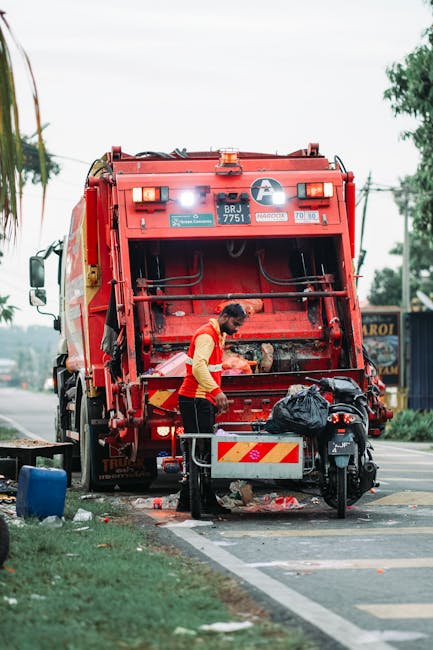
If you have ever seen a black bag left beside a wall, a broken wardrobe dumped near a kerb, or...
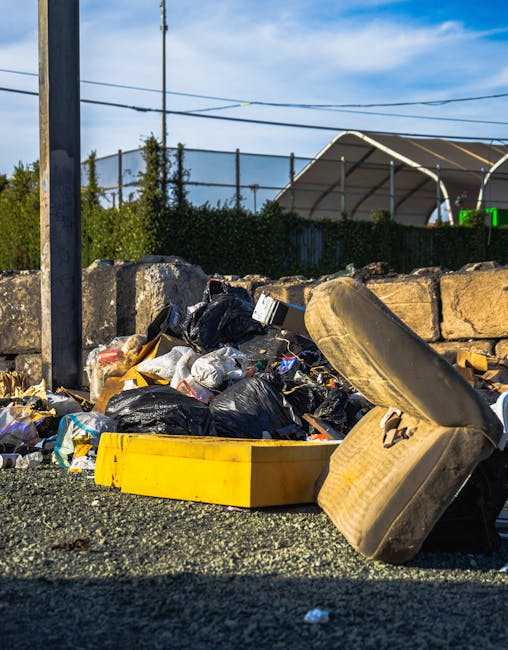
If you are planning a clear-out in Haringey, one of the first questions that comes up is simple...
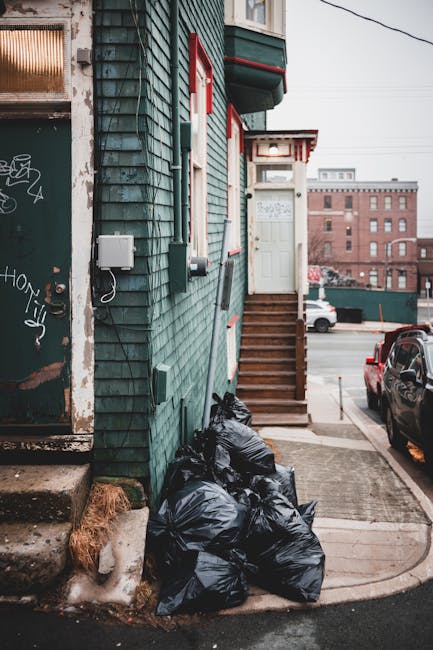
If you live, rent, run a business, or manage a property in Harringay, the Haringey council rules...
If you are arranging a rubbish clearance in Harringay, the booking stage can make or break the...
If you live in Harringay and your home is one of those charming places with a tight hallway, a...
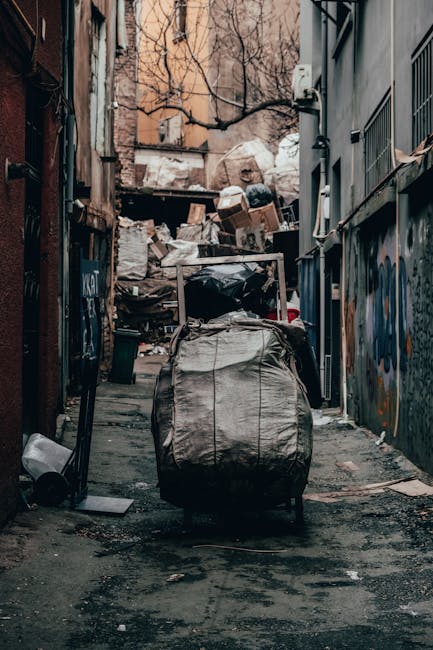
If you need waste gone quickly, the last thing you want is a messy, drawn-out process.

If you are trying to sort Bulky rubbish pickup near Turnpike Lane station Harringay, you are...
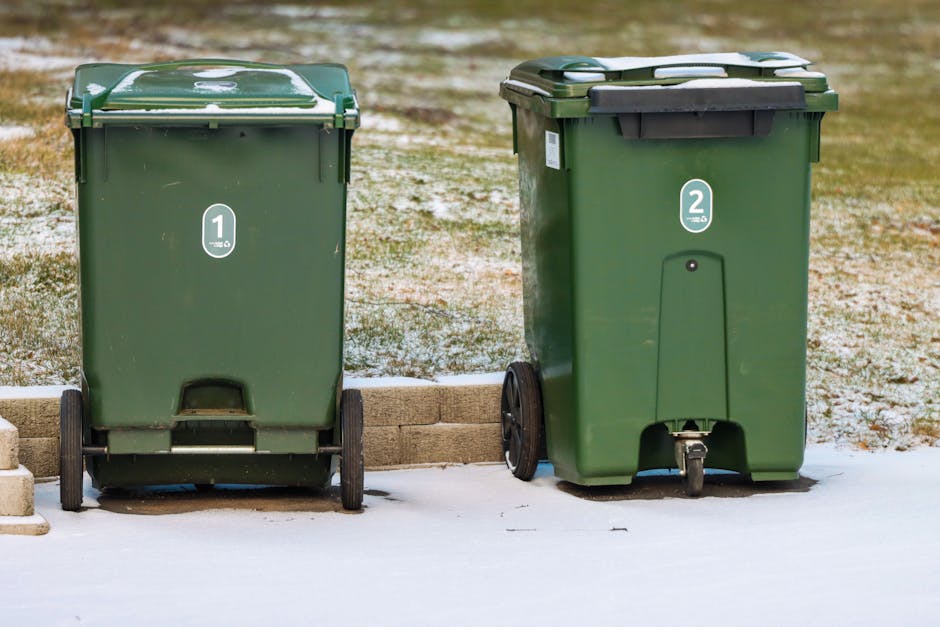
If you have ever booked a bin or rubbish collection and then watched the final bill creep up, you...
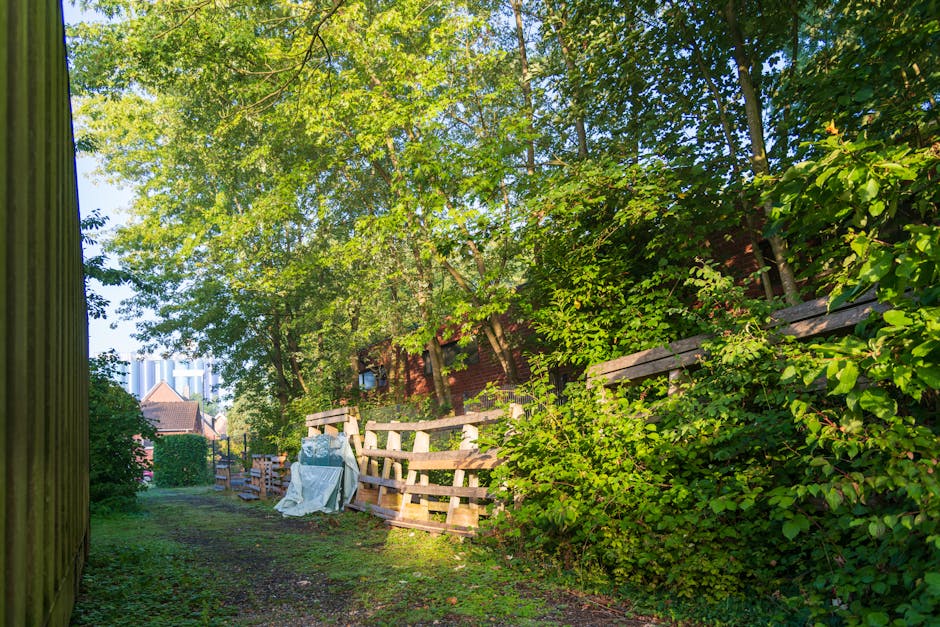
If you've got a pile of hedge trimmings, lawn clippings, branches, old soil bags, or that...
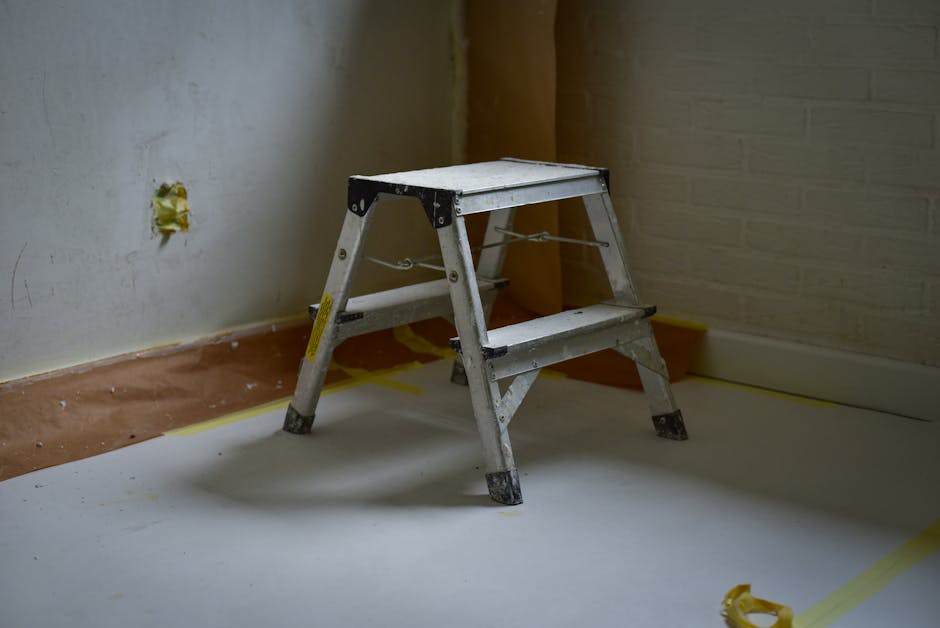
Moving out is busy enough without staring at a flat full of leftover furniture, broken bits, old...

Buying a property in Harringay, a vibrant area in North London, can be an exciting yet daunting...

If you're looking to host an unforgettable party in Harringay, you're in for a treat.

 (82)
(82)