11/09/2026
If you have ever seen a black bag left beside a wall, a broken wardrobe dumped near a kerb, or...
Waste Disposal Harringay provides reliable, fully insured loft clearance and flat clearance services throughout Harringay and the surrounding N4 and N15 areas. From compact loft spaces in Victorian terraces off Green Lanes to roomy loft conversions in modern apartment blocks near Harringay Green Lanes station, our team clears spaces quickly, safely and responsibly.
Whether you need a one-off loft clearance after a renovation, help with a sensitive probate clearance, or ongoing flat clearance support for rented properties, we tailor our service to your home, schedule and budget. Every job is completed with recycling, reuse and ethical disposal at the heart of what we do.
Lofts in Harringay come in all shapes and sizes, from under-eaves storage in older terraced houses on streets like Warham Road and Duckett Road to fully boarded lofts in converted buildings along Wightman Road. Our team is experienced in working safely in all types of loft space, including those with limited access, low headroom or awkward staircases.
We clear a wide range of household items from lofts, including old furniture, boxes of stored belongings, suitcases, seasonal decorations, books, toys, small electricals, carpets, underlay, and general bric-a-brac that has built up over the years. We can also carefully remove and bag up loose items that have been stored directly on joists or rafters.
Every loft clearance is planned to minimise disruption and protect your home. We use dust sheets and floor protection where needed, and we take care when moving items down stairwells in period flats and maisonettes commonly found off St Ann's Road, West Green Road and around the Harringay Ladder.
Waste Disposal Harringay also specialises in flat clearance for all types of properties in the area. This includes studio flats in purpose-built blocks near Turnpike Lane, converted flats in Edwardian houses along the Ladder roads, and modern apartments in new developments off Green Lanes and around Finsbury Park.
Our flat clearance team can clear single rooms, whole flats or communal storage areas such as shared lofts, basements and store cupboards. We regularly work with landlords, letting agents and housing associations across Harringay to clear flats at the end of tenancies, prepare properties for sale, or help when residents are downsizing.
We understand the particular access challenges that come with flat clearance, such as narrow hallways, shared stairwells and limited parking on residential roads like Burgoyne Road, Mattison Road and Sydney Road. Our team plans each clearance carefully to ensure neighbours and communal areas are respected at all times.
Not every job requires everything to go. Sometimes you just want old boxes and unwanted furniture removed, while keeping key items safely in place. That is why we offer both full and partial clearance services for lofts and flats across Harringay.
With a full loft clearance, our team removes all agreed items from the space, leaving it empty, swept-through and ready for insulation, boarding, conversion work or simply better-organised storage.
With a partial clearance, we follow your instructions carefully, removing only specified items or sections of the loft or flat. We can work room by room or area by area, labelling or separating items to ensure nothing important is taken away by mistake.
This flexible approach is ideal if you are decluttering ahead of a move, creating more storage in a small Harringay flat, or gradually clearing a family home while still sorting through personal belongings.
Dealing with a property after a bereavement can be emotionally and practically challenging. Waste Disposal Harringay offers a respectful, discreet probate clearance service for lofts and flats throughout Harringay and neighbouring areas.
We work with executors, solicitors and families to clear properties sensitively, including loft spaces that may hold decades of stored possessions. Our team can follow clear instructions about which items must be preserved, which should be donated, and which can be removed for recycling or disposal.
We can also provide itemised summaries of removed items if required for probate records. Our experience working in older Harringay terraces and long-held family homes means we understand the sentimental value that many loft items can hold, and we always treat belongings with care.
Recycling is central to how we operate. Many loft and flat clearances involve bulky furniture and household items that do not need to end up in landfill. Wherever possible, we separate materials so they can be recycled efficiently.
Furniture such as wardrobes, chests of drawers, tables, chairs, bookshelves and bed frames are assessed for their condition. Items that are too damaged for reuse are broken down into their component parts so that wood, metal, glass and some plastics can be routed to appropriate recycling streams.
During loft and flat clearances in Harringay, we also separate out cardboard, paper, metals, textiles and electrical items wherever practical, improving recycling rates and reducing the environmental impact of your clearance.
A key part of our commitment to ethical loft and flat clearance is ensuring reusable items find a new home. Waste Disposal Harringay works with a network of local and regional donation partners, including charities, community groups and reuse organisations.
When we clear a loft in a Victorian terrace or a flat in a converted building, our team identifies items that may be suitable for donation, such as good-quality furniture, kitchenware, books, toys and small appliances that are in working order. With your permission, we set these items aside and arrange for them to be passed on to our donation partners.
This approach not only reduces waste but also supports local communities by providing affordable or free household items to those who need them. Wherever possible, we prioritise reuse before recycling, and recycling before disposal.
Everything that cannot be reused or recycled is disposed of legally and responsibly. Waste Disposal Harringay is fully licensed, and we only use authorised waste transfer and disposal facilities that comply with current regulations.
Ethical disposal means more than just holding a licence. It also means being honest about where your waste goes, how much of it is recycled, and how we minimise environmental impact. We avoid fly-tipping shortcuts that can harm both the local environment and your reputation as the person commissioning the clearance.
Our focus on ethical disposal is especially important for larger loft clearances in older Harringay properties, where we may uncover mixed materials, old fixtures or stored items that require careful handling.
Our team works across the whole of Harringay, including the Ladder roads between Wightman Road and Green Lanes, the Gardens area towards Haringey Green Lanes station, and the streets leading towards Seven Sisters, Manor House and Finsbury Park. We are familiar with parking restrictions, loading bays and access arrangements across local estates and private developments.
Whether your loft is above a top-floor flat in a mansion block near Finsbury Park, or you need a flat clearance in a small block just off Green Lanes, our local knowledge helps us plan a smooth, efficient service. We can often provide flexible booking times to fit around building regulations, caretaker availability and residents' needs.
Choosing Waste Disposal Harringay for your loft or flat clearance means working with a local team that understands Harringay's housing stock and cares about doing the job properly. We combine careful handling of your property with strong environmental values, ensuring as much as possible is reused or recycled.
From full loft clearances in terraced houses to partial flat clearances in modern developments, from sensitive probate work to routine end-of-tenancy clearances, we provide a professional, respectful and environmentally responsible service across Harringay.
If you are ready to reclaim your loft space, clear a cluttered flat, or arrange a probate clearance anywhere in Harringay, Waste Disposal Harringay is here to help with a service built on local experience and ethical disposal.

GET A FREE QUOTE
Too sick to move junk? Our team is here to help you out!
We provide high standard waste dsiposal Harringay services at very competitive prices.
 Tipper Van - Rubbish Removal and Builders Waste Disposal Prices in Harringay, N4
| Space іn the van | Loadіng Time | Cubіc Yardѕ | Max Weight | Equivalent to: | Prіce* |
| Minimum Load | 10 min | 1.5 | 100-150 kg | 8 bin bags | £90 |
| 1/4 Load | 20 min | 3.5 | 200-250 kg | 20 bin bags | £160 |
| 1/2 Load | 40 min | 7 | 500-600kg | 40 bin bags | £250 |
| 3/4 Load | 50 min | 10 | 700-800 kg | 60 bin bags | £330 |
| Full Load | 60 min | 14 | 900-1100kg | 80 bin bags | £490 |
*Our rubbish removal prіces are baѕed on the VOLUME and the WEІGHT of the waste for collection.
 Luton Van - Rubbish Removal and Builders Waste Disposal Prices in Harringay, N4
| Space іn the van | Loadіng Time | Cubіc Yardѕ | Max Weight | Equivalent to: | Prіce* |
| Minimum Load | 10 min | 1.5 | 100-150 kg | 8 bin bags | £90 |
| 1/4 Load | 40 min | 7 | 400-500 kg | 40 bin bags | £250 |
| 1/2 Load | 60 min | 12 | 900-1000kg | 80 bin bags | £370 |
| 3/4 Load | 90 min | 18 | 1400-1500 kg | 100 bin bags | £550 |
| Full Load | 120 min | 24 | 1800 - 2000kg | 120 bin bags | £670 |
*Our rubbish removal prіces are baѕed on the VOLUME and the WEІGHT of the waste for collection.
If you have ever seen a black bag left beside a wall, a broken wardrobe dumped near a kerb, or...
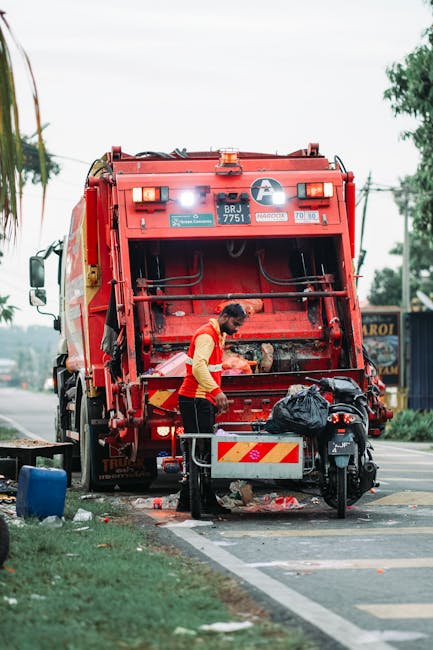
If you are planning a clear-out in Haringey, one of the first questions that comes up is simple...
If you live, rent, run a business, or manage a property in Harringay, the Haringey council rules...
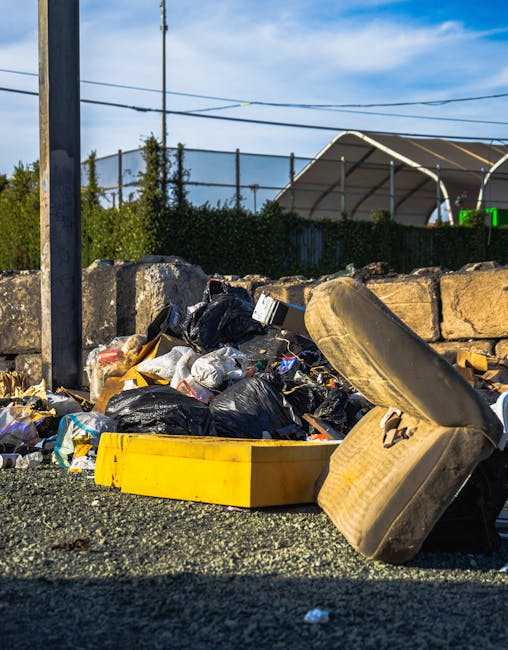
If you are arranging a rubbish clearance in Harringay, the booking stage can make or break the...
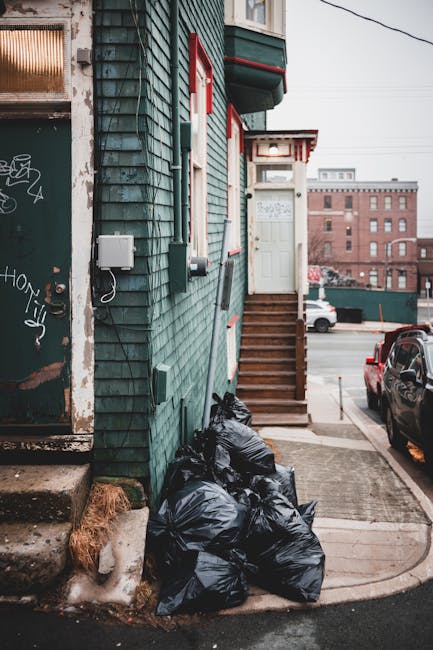
If you live in Harringay and your home is one of those charming places with a tight hallway, a...
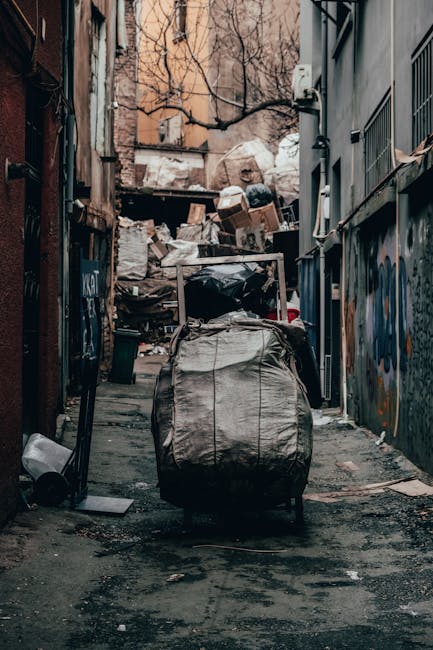
If you need waste gone quickly, the last thing you want is a messy, drawn-out process.

If you are trying to sort Bulky rubbish pickup near Turnpike Lane station Harringay, you are...
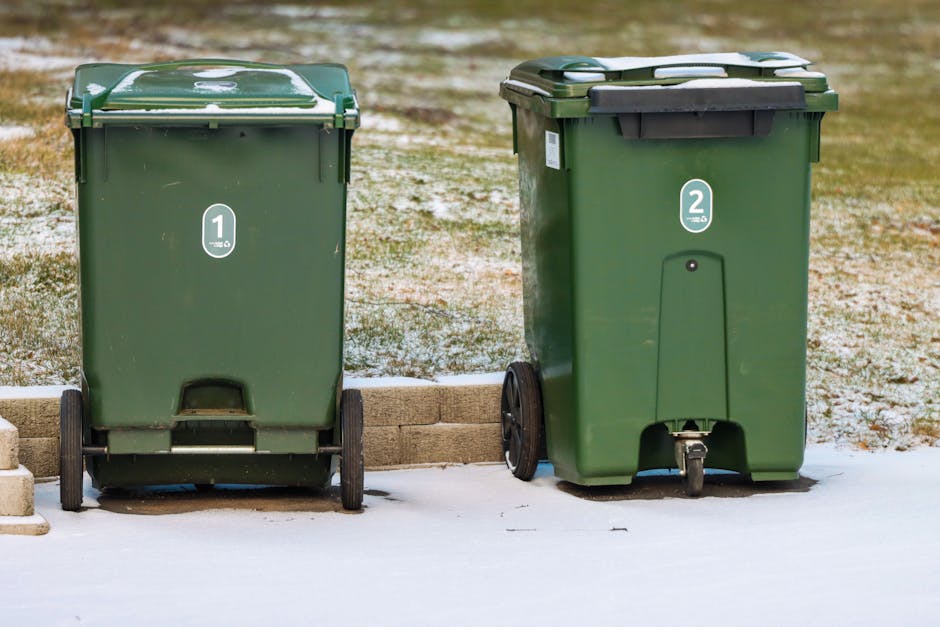
If you have ever booked a bin or rubbish collection and then watched the final bill creep up, you...
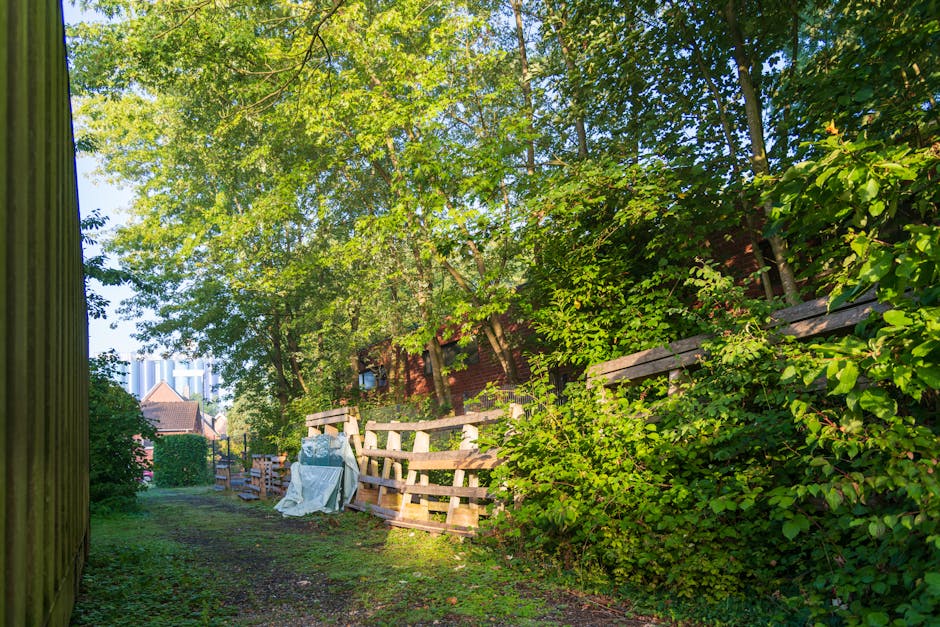
If you've got a pile of hedge trimmings, lawn clippings, branches, old soil bags, or that...
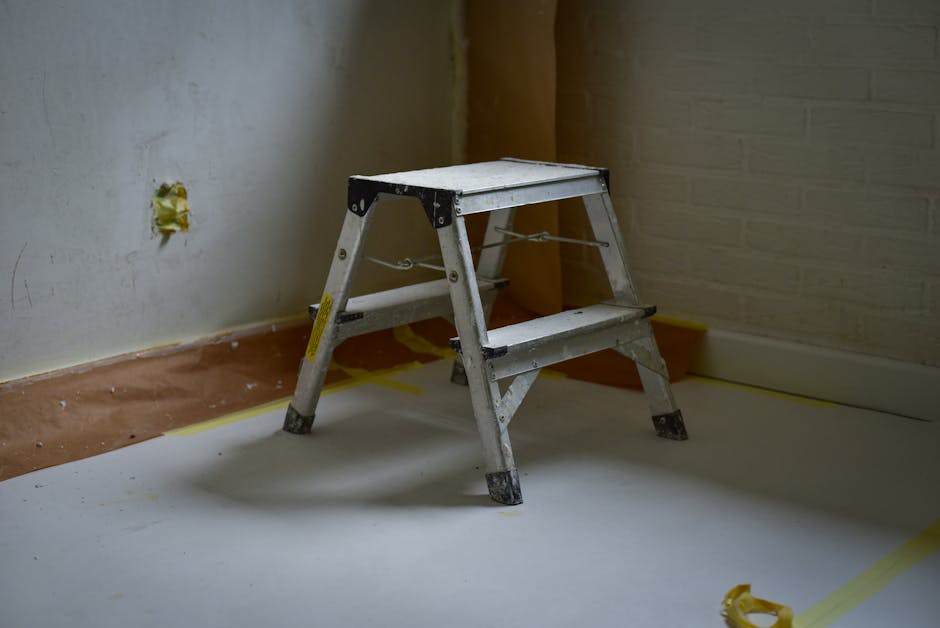
Moving out is busy enough without staring at a flat full of leftover furniture, broken bits, old...

Buying a property in Harringay, a vibrant area in North London, can be an exciting yet daunting...

If you're looking to host an unforgettable party in Harringay, you're in for a treat.

 (82)
(82)