11/09/2026
If you have ever seen a black bag left beside a wall, a broken wardrobe dumped near a kerb, or...
Waste Disposal Harringay provides a fast, compliant and environmentally responsible white goods and appliance disposal service across Harringay and the surrounding boroughs. From broken fridge freezers on Green Lanes to old washing machines in flats off Wightman Road, we collect, remove and recycle your unwanted appliances quickly and safely.
Our appliance removal area covers the whole of Harringay and nearby neighbourhoods, including ladder roads off Green Lanes, large estates near Seven Sisters Road, and residential streets around Turnpike Lane and Manor House. Whether you are in a ground floor flat or on the top floor of a mansion block, our team can handle the lifting, access and transport.
We work with households, landlords, letting agents and local businesses to clear single items or multiple appliances. Same-day or next-day collection is usually available, subject to schedule, so you are not left storing bulky white goods in hallways, bin stores or front gardens.
Our white goods disposal area is designed to take the hassle out of getting rid of large and awkward appliances. We collect and dispose of:
Fridges and under-counter fridges
Freezers and chest freezers
Fridge freezers and American-style units
Washing machines and washer-dryers
Tumble dryers and condenser dryers
Electric and gas ovens, cookers and hobs
Dishwashers, integrated and freestanding
Microwaves and combination ovens
Small appliances such as kettles, toasters, irons, vacuum cleaners, coffee machines and similar items
From a single broken microwave to a full kitchen clear-out, our team removes your items and ensures they are taken to a licensed facility for reuse, recycling or safe treatment, in line with local WEEE requirements for the London Borough of Haringey.
Fridge and freezer units require special handling due to refrigerant gases, oils and insulation materials. Our fridge freezer removal area covers all of Harringay, including older properties with narrow staircases and basements, as well as new-build blocks with lift access near Harringay Green Lanes station and around the Arena Shopping Park.
Our team is trained to remove fridges and freezers safely without damaging your property or releasing harmful substances. We then transfer them to an authorised treatment facility where gases are professionally removed and the metal, plastics and glass are recovered for recycling wherever possible.
All electrical and electronic appliances we collect are managed in line with WEEE regulations. This means your old white goods do not simply end up in general waste or in unlicensed hands. Instead, they go through a process designed to minimise environmental impact and maximise material recovery.
As part of our WEEE-compliant handling, we ensure:
Segregation of electrical items from general rubbish
Delivery only to Environment Agency authorised sites
Correct treatment of hazardous components in fridges and other appliances
Recycling of metals, plastics and other recoverable materials
This helps reduce the volume of waste going to landfill and supports local recycling targets set for the borough. It also protects you from the risk of fines linked to fly-tipping or illegal dumping by unlicensed collectors.
Waste Disposal Harringay operates under an Environment Agency waste carrier licence and only uses licensed transfer stations and treatment facilities. Our paperwork and procedures meet current regulations, giving you confidence that your appliances are being handled correctly from collection to final processing.
We are fully insured for work in homes, communal areas and commercial premises. Whether you are arranging an appliance collection for a flat clearance on the Harringay Ladder or a restaurant kitchen refit near Turnpike Lane, we can provide documentation on request to support managing agents, landlords and business owners.
White goods are heavy, awkward and can be dangerous if moved without the right equipment or training. Our team follows strict safety procedures during every collection, including:
Manual handling techniques for stairs and tight spaces
Use of dollies, straps and protective mats where appropriate
Isolating appliances from water, gas and electric supplies when required
Protecting floors, doors and communal hallways from damage
Secure loading to avoid shifting loads in transit
Where appliances are hard plumbed or wired, we ask that a qualified tradesperson disconnects them in advance if needed, especially for gas ovens and certain integrated appliances. If you are unsure, we can advise what is required before the collection day.
We understand that old appliances can block access, attract dumping in shared bin areas and cause complaints in managed buildings. That is why we offer flexible time slots and, whenever schedules allow, same-day or next-day white goods disposal across the Harringay area.
We regularly work with property managers on estates near St Ann's Road, receivers handling flat clearances, and local residents upgrading kitchens or replacing broken appliances. If you have limited access to on-site storage or need an urgent collection before a delivery or inspection, let us know your timescales when you enquire.
Local recycling centres and civic amenity sites in and around Haringey have strict rules for white goods and electricals, including booking systems, proof of residence and vehicle restrictions. For many residents and landlords in Harringay, transporting heavy appliances is not practical.
Our service bridges that gap by providing collection from your door, basement, garage, bin store or service yard and transferring items in bulk to licensed facilities. We stay up to date with borough WEEE rules and disposal guidance, so your waste is moved in line with local expectations and national legislation.
If you need fridge freezer removal, washing machine disposal or any other white goods collection in Harringay, Waste Disposal Harringay can help. Tell us what items you have, your location and any access details, such as floor level, parking restrictions or estate gate codes. We will provide a clear price and an available time slot for same-day or next-day collection where possible.
Choose a licensed, WEEE-compliant service for your appliances and help keep Harringay's streets, estates and communal areas clear of bulky waste.
GET A FREE QUOTE
Too sick to move junk? Our team is here to help you out!
We provide high standard waste dsiposal Harringay services at very competitive prices.
 Tipper Van - Rubbish Removal and Builders Waste Disposal Prices in Harringay, N4
| Space іn the van | Loadіng Time | Cubіc Yardѕ | Max Weight | Equivalent to: | Prіce* |
| Minimum Load | 10 min | 1.5 | 100-150 kg | 8 bin bags | £90 |
| 1/4 Load | 20 min | 3.5 | 200-250 kg | 20 bin bags | £160 |
| 1/2 Load | 40 min | 7 | 500-600kg | 40 bin bags | £250 |
| 3/4 Load | 50 min | 10 | 700-800 kg | 60 bin bags | £330 |
| Full Load | 60 min | 14 | 900-1100kg | 80 bin bags | £490 |
*Our rubbish removal prіces are baѕed on the VOLUME and the WEІGHT of the waste for collection.
 Luton Van - Rubbish Removal and Builders Waste Disposal Prices in Harringay, N4
| Space іn the van | Loadіng Time | Cubіc Yardѕ | Max Weight | Equivalent to: | Prіce* |
| Minimum Load | 10 min | 1.5 | 100-150 kg | 8 bin bags | £90 |
| 1/4 Load | 40 min | 7 | 400-500 kg | 40 bin bags | £250 |
| 1/2 Load | 60 min | 12 | 900-1000kg | 80 bin bags | £370 |
| 3/4 Load | 90 min | 18 | 1400-1500 kg | 100 bin bags | £550 |
| Full Load | 120 min | 24 | 1800 - 2000kg | 120 bin bags | £670 |
*Our rubbish removal prіces are baѕed on the VOLUME and the WEІGHT of the waste for collection.
If you have ever seen a black bag left beside a wall, a broken wardrobe dumped near a kerb, or...
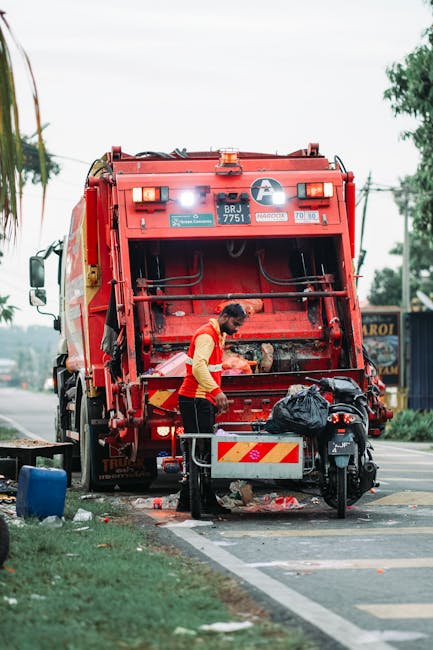
If you are planning a clear-out in Haringey, one of the first questions that comes up is simple...
If you live, rent, run a business, or manage a property in Harringay, the Haringey council rules...
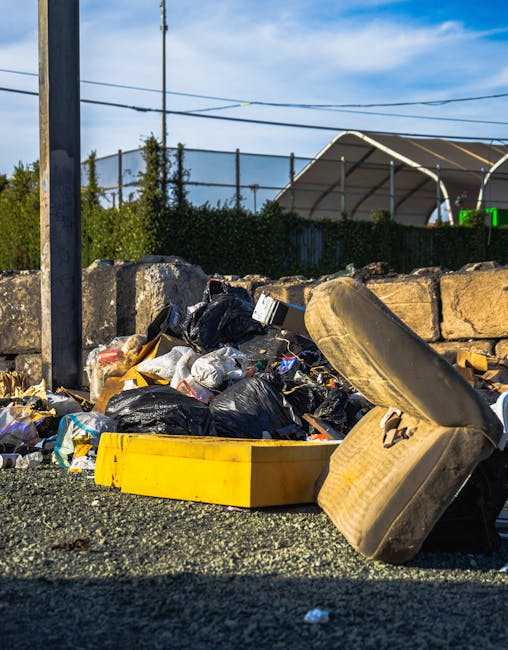
If you are arranging a rubbish clearance in Harringay, the booking stage can make or break the...
If you live in Harringay and your home is one of those charming places with a tight hallway, a...
If you need waste gone quickly, the last thing you want is a messy, drawn-out process.
If you are trying to sort Bulky rubbish pickup near Turnpike Lane station Harringay, you are...
If you have ever booked a bin or rubbish collection and then watched the final bill creep up, you...
If you've got a pile of hedge trimmings, lawn clippings, branches, old soil bags, or that...
Moving out is busy enough without staring at a flat full of leftover furniture, broken bits, old...
Buying a property in Harringay, a vibrant area in North London, can be an exciting yet daunting...
If you're looking to host an unforgettable party in Harringay, you're in for a treat.

 (82)
(82)